
You’re tired of wellness advice that burns you out before week two.
I’ve seen it happen. Every time. Someone starts with big goals, strict rules, and zero flexibility.
Then they quit. Or worse (they) keep trying and hate themselves for it.
That’s why I built the Tweeklynutrition Cbd Guide From Theweeklyspoon.
Not another all-or-nothing plan. Not another list of things you should do.
This is a week-by-week system. Small changes. Real life.
No guilt.
I’ve used this with dozens of people juggling work, kids, and zero free time.
They stuck with it. Not because it was easy (but) because it made sense.
You won’t be perfect. You’ll still eat pizza. And that’s fine.
What matters is showing up, consistently, without self-sabotage.
This guide gives you exactly how to do that.
The Tweeklynutrition Philosophy: It’s a Rhythm, Not a Race
I don’t track calories every morning. I don’t weigh myself on Day 1 and panic if the number doesn’t drop.
Tweeklynutrition is built on one idea: weekly progress over daily perfection.
You’re not failing if you eat pizza on Tuesday. You’re human.
Mindful Eating means noticing how food makes you feel. Not just counting bites. Nutrient Focus means choosing spinach over iceberg, yes (but) also knowing that one kale salad won’t fix years of takeout.
Consistent Hydration? It’s water in your cup, not a strict 8-glass mandate.
Here’s what no one tells you: rigid daily plans make guilt your default setting. One off-day becomes proof you “blew it.”
Then you quit. Again.
A weekly rhythm changes that.
Think of it like building a house. You don’t lay all the bricks at once. You place one brick (then) another (then) check the level.
Each week is a new layer in your wellness foundation.
That’s why I measure success by what changed this week, not what I did or didn’t do yesterday. Did you drink more water? That counts.
Did you notice when you were full? That counts. Did you skip the soda twice?
That counts.
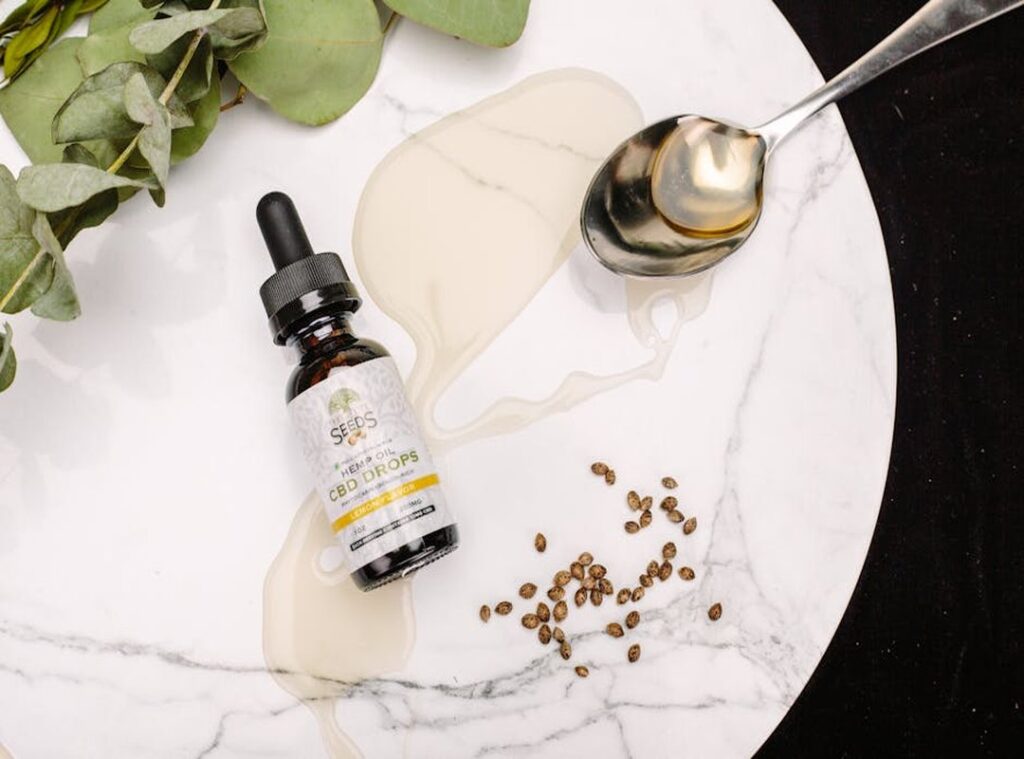
The Tweeklynutrition Cbd Guide From Theweeklyspoon covers how to apply this rhythm specifically with CBD (timing,) dosing, tracking real effects (not hype).
Consistency isn’t about never slipping. It’s about showing up again (next) week. Every week.
Pillar 1: Eat Like You Mean It
Mindful eating is not a diet. It’s paying full attention to food (taste,) texture, smell, even the sound of chewing. No judgment.
Just noticing.
Day 1: Eat one meal with zero distractions. Put your phone in another room. Turn off the TV.
Sit at a table. (Yes, even if it’s just toast and coffee.)
Day 3: Take three deep breaths before you eat. Not five. Not ten.
Three. Breathe in through your nose. Let your belly rise.
Exhale slow.
Day 5: Pause before grabbing a snack. Ask yourself: Am I physically hungry? Or am I bored, stressed, or tired?
Your body sends signals.
You just stopped listening.
I used to chew while typing emails. Then I tried Day 1. My stomach settled faster.
I ate less. I actually tasted my lunch.
Slowing down works. Try this: put your fork down between bites. Not forever.
I go into much more detail on this in Can diet help your brain tweeklynutrition.
Just for one meal. See how long it takes. Most people finish in half the time they think.
Benefits? Better digestion. Stronger satiety cues.
Less guilt around food. You stop fighting your body and start working with it.
This isn’t about perfection.
It’s about showing up. For your meals, your energy, your real life.
The Tweeklynutrition Cbd Guide From Theweeklyspoon covers how stress and appetite intersect (but) this 7-day plan is where you start. No supplements. No apps.
Just you, your plate, and seven small choices.
Day 7: Notice one thing you didn’t notice before (like) how your mouth feels after swallowing water. That’s it. That’s the win.
Pillar 2: Nutrients > Calories (Every) Single Time
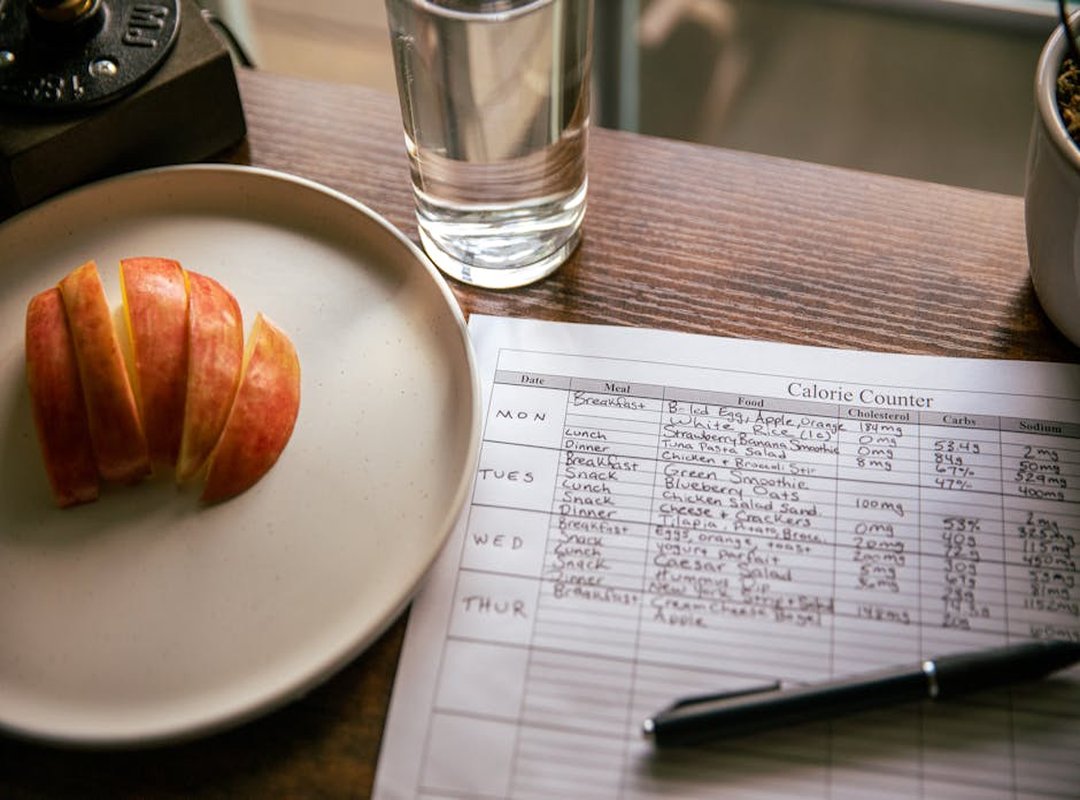
I stopped counting calories in 2018. Not because I got lazy. Because it didn’t work.
Calories tell you how much. Nutrient density tells you what’s in it.
And what’s in your food decides whether you crash at 3 p.m., sleep deeply, or feel like your brain is wrapped in wet paper towels.
You already know this. You’ve eaten a “low-cal” snack and felt hungrier five minutes later. Right?
So let’s talk about the Rainbow Challenge. Eat one fruit or vegetable from five color groups this week: red (tomato), orange/yellow (sweet potato), green (kale), blue/purple (blueberries), white/brown (cauliflower). That’s it.
No scale. No app. Just color.
It’s not about perfection. It’s about showing up for your body with real stuff.
I swap sugary cereal for oatmeal + frozen berries every morning. No willpower required. Just habit.
Creamy dressing? Gone. I use lemon juice + olive oil + garlic.
Takes 10 seconds. Tastes brighter.
Greek yogurt instead of flavored yogurt. Canned salmon instead of deli meat. Hard-boiled eggs instead of protein bars full of mystery powder.
This isn’t restriction. It’s addition. You’re stacking good things in, not just scrubbing bad things out.
That’s the Tweeklynutrition mindset.
Want proof it affects your head? Check out the Can Diet Help Your Brain Tweeklynutrition guide (it) breaks down exactly how food changes focus, mood, and memory.
The Tweeklynutrition Cbd Guide From Theweeklyspoon is buried deep in their archives. Don’t waste time looking.
Eat color. Feel different. Done.
Pillar 3: Water Doesn’t Wait (So) Stop Pretending It Does
I forget to drink water. You forget to drink water. We all do it.
Then wonder why our heads ache by noon.
Your goal this week: start every morning with a full glass of water before coffee or tea. No exceptions. No “just one sip of espresso first.”
That glass isn’t optional.
It’s your baseline.
The “8 glasses a day” myth? It’s nonsense. Your body doesn’t run on a fixed quota like a spreadsheet.
Some days you need more. Some days less. Thirst changes.
Activity changes. Weather changes.
So skip the math. Focus on rhythm instead. Try cucumber and mint in your water.
Not because it’s trendy, but because it tastes like summer and actually works. Or use a timed bottle. Not for discipline.
Just to nudge you when your brain goes quiet on hydration.
Does it matter if you hit exactly eight? No. Does it matter if you go three hours without sipping?
Yes.
Consistency beats counting.
Always.
If you want real-world tweaks. Not theory (check) out the Tweeklynutrition guide. It includes the Tweeklynutrition Cbd Guide From Theweeklyspoon.
Practical, no-fluff, tested.
Your First Wellness Week Starts Tomorrow
I’ve been there. Staring at ten different wellness rules. Feeling like you’re failing before you even begin.
That’s why I built the Tweeklynutrition Cbd Guide From Theweeklyspoon. Not another list of shoulds. Just three clear pillars.
One week at a time.
Mindful Eating. Nutrient Focus. Hydration.
Pick one. Not all three. Not even two.
Just one.
You don’t need perfect days. You need one small win, repeated. That’s how habits stick.
That’s how overwhelm shrinks.
Tomorrow is your start date. Not next Monday. Not after “things settle down.” Tomorrow.
What’s stopping you from choosing one pillar right now?
Go ahead. Open the guide. Flip to Week 1.
Start there.
Your body doesn’t wait for permission. Neither should you.
Do it tomorrow.
 Christine Goindater has opinions about workout techniques and guides. Informed ones, backed by real experience — but opinions nonetheless, and they doesn't try to disguise them as neutral observation. They thinks a lot of what gets written about Workout Techniques and Guides, Nutrition and Healthy Recipes, Fitness Tips and Routines is either too cautious to be useful or too confident to be credible, and they's work tends to sit deliberately in the space between those two failure modes.
Reading Christine's pieces, you get the sense of someone who has thought about this stuff seriously and arrived at actual conclusions — not just collected a range of perspectives and declined to pick one. That can be uncomfortable when they lands on something you disagree with. It's also why the writing is worth engaging with. Christine isn't interested in telling people what they want to hear. They is interested in telling them what they actually thinks, with enough reasoning behind it that you can push back if you want to. That kind of intellectual honesty is rarer than it should be.
What Christine is best at is the moment when a familiar topic reveals something unexpected — when the conventional wisdom turns out to be slightly off, or when a small shift in framing changes everything. They finds those moments consistently, which is why they's work tends to generate real discussion rather than just passive agreement.
Christine Goindater has opinions about workout techniques and guides. Informed ones, backed by real experience — but opinions nonetheless, and they doesn't try to disguise them as neutral observation. They thinks a lot of what gets written about Workout Techniques and Guides, Nutrition and Healthy Recipes, Fitness Tips and Routines is either too cautious to be useful or too confident to be credible, and they's work tends to sit deliberately in the space between those two failure modes.
Reading Christine's pieces, you get the sense of someone who has thought about this stuff seriously and arrived at actual conclusions — not just collected a range of perspectives and declined to pick one. That can be uncomfortable when they lands on something you disagree with. It's also why the writing is worth engaging with. Christine isn't interested in telling people what they want to hear. They is interested in telling them what they actually thinks, with enough reasoning behind it that you can push back if you want to. That kind of intellectual honesty is rarer than it should be.
What Christine is best at is the moment when a familiar topic reveals something unexpected — when the conventional wisdom turns out to be slightly off, or when a small shift in framing changes everything. They finds those moments consistently, which is why they's work tends to generate real discussion rather than just passive agreement.