

Start with Air and Light
A healthier home starts with the basics: air and light. Open your windows daily even for just 10 minutes. It’s the simplest way to refresh the air and cut down on indoor pollutants that quietly build up.
Plants earn their place too. Snake plants and peace lilies don’t just look good they filter the air, require little attention, and keep on working while you sleep. A few well placed greens by your workspace or bedside can make a difference over time.
Don’t let heavy drapes choke your natural light. Swap them for sheer curtains, or better yet, keep windows uncluttered where privacy allows. Exposure to daylight supports your sleep cycle, mood, and even productivity.
Got rooms that stay dim? Try full spectrum LED bulbs. They mimic natural sunlight better than standard options and can subtly boost energy and focus especially on long winter days spent indoors.
Rethink What You Bring Inside
Small choices in what you buy can make a big difference in air quality and overall well being at home. Start by picking paints and cleansers that are labeled low VOC (volatile organic compounds). These release fewer harmful fumes into your space, which is better for your lungs and the planet.
Next, skip the fake scents. Artificial air fresheners often mask odors with chemical heavy formulas. A dish of open baking soda in the corner can help absorb smells, or you can use a diffuser with a few drops of essential oils simple, effective, and chemical light.
Finally, be picky about furniture and textiles. Mass market pieces can be loaded with flame retardants, plasticizers, and other unwanted extras. Instead, look for items made from solid wood, organic cotton, wool, or bamboo. The fewer the ingredients, the better for your home environment.
Create Zones that Encourage Movement
Staying active at home doesn’t require a full gym setup just a few thoughtful tweaks can help you move more naturally throughout the day. Here’s how to make movement part of your environment:
Keep Fitness Tools in Sight
Out of sight often means out of mind. Keep small, versatile equipment like resistance bands or a rolled yoga mat in plain view.
Place items near your bed, TV, or workspace for easy access
Use them for quick stretch breaks or short movement snacks
Set Up a Morning Stretch Zone
Starting your day with movement helps wake up your body and mind. Designate a permanent (but flexible) spot for morning stretches.
Choose a low traffic area near your bedroom or kitchen
Keep it uncluttered and calming think soft mat, simple decor
Make Workspaces Movement Friendly
Sitting all day? Your environment can remind you to stand or stretch.
Add a standing desk converter or raise your laptop with books
Use a step stool or balance pad to engage your legs while working
Schedule two minute mobility breaks during long sitting sessions
Creating small zones that invite frequent movement can transform how your body feels at home without any major renovations.
Clean Smarter, Not Just More Often
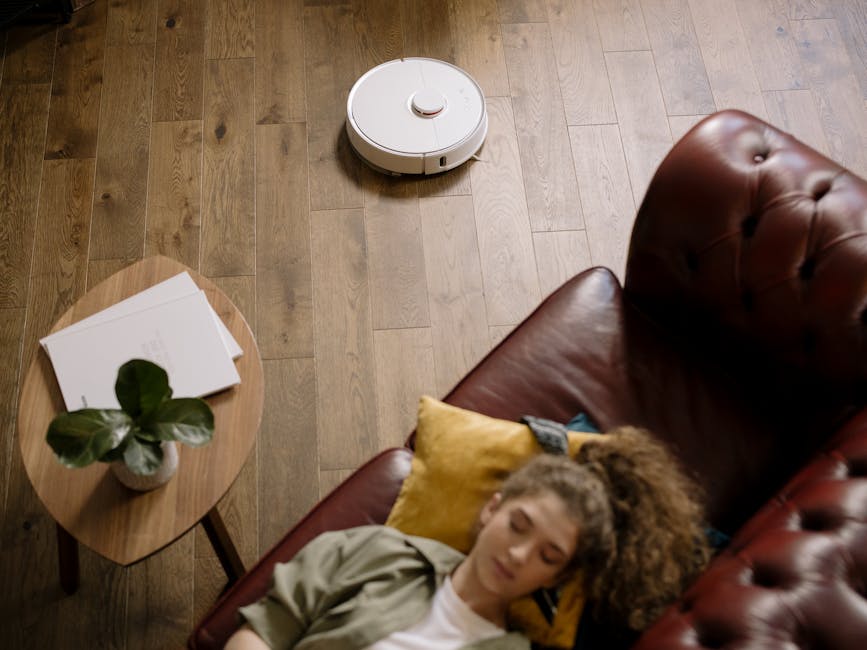
Cleaning isn’t just about frequency it’s also about choosing methods and materials that support a healthier home environment. Thoughtful habits can reduce allergens, limit exposure to harmful chemicals, and keep your space both cleaner and calmer.
Prioritize Air Quality and Allergen Control
Vacuum regularly using a HEPA filter vacuum, especially if you have pets. These vacuums trap fine dust, dander, and allergens instead of recirculating them back into the air.
Focus on high traffic areas like entryways, living rooms, and bedrooms for more frequent vacuuming.
Disinfect Where It Matters Most
Wipe down high touch surfaces at least once a week. This includes door knobs, light switches, remote controls, and mobile devices.
Use natural, non toxic disinfectants when possible to reduce chemical exposure while still maintaining hygiene.
Declutter and Organize with Healthier Materials
Reconsider how you store food, supplies, and gadgets: opt for materials like glass, bamboo, and stainless steel over plastics that may leach chemicals over time.
Organize responsibly clean, open shelving and labeled containers can prevent pile ups that attract dust and bacteria.
Small but strategic shifts in your cleaning routine can make a noticeable difference not just in appearance, but in the health of your home.
Design with Calm in Mind
A chaotic space makes it harder to slow down, think clearly, or just breathe. Start simple: declutter one surface. A nightstand, a coffee table, even your desk. One clean, quiet zone can shift the tone of your whole day. Work room by room, not all at once. Momentum builds.
Now, layer in calm. Swap harsh or loud colors for softer tones think pale blues, sage greens, and warm neutrals. No need to repaint a whole room. A throw pillow, a rug, or even wall art can pull a space into a quieter mood.
Finally, invite rest. Add a plant. Tuck a chair in a corner with a blanket and a good light. Set up a small area where screens don’t go. A no tech nook where your brain can exhale.
Calm doesn’t have to be complicated. Mostly, it just has to be intentional.
Build Habits That Last
Making your home a healthier place doesn’t mean you have to overhaul everything overnight. Sustainable change comes from small, consistent actions that add up over time.
Start Small, Grow Steadily
Rather than attempting to transform your entire space in a weekend, focus on a single change and build from there. Gradual adjustments are easier to maintain and less likely to overwhelm.
Swap one cleaning product for a non toxic version
Open windows for 10 minutes in the morning
Add one air purifying plant to a common room
Layer in habits over time so they become part of your natural routine rather than chores you dread.
Track Tiny Wins
Change is easier to stick with when you acknowledge progress. Even minor improvements reinforce consistency and give you the motivation to keep going.
Keep a simple checklist of healthy tasks or room updates
Journal small victories each week (e.g., “replaced plastic containers with glass”)
Celebrate when a habit sticks for more than two weeks
Stay on Track Long Term
Every home evolves with time, and so do our routines. To keep the momentum, check in with your environment monthly. Are certain habits slipping? Is there one area that still feels off?
For expert advice on habit building you can actually maintain, explore this guide: How to Build Healthy Habits That Stick Long Term
The goal isn’t perfection it’s creating a sustainable rhythm that supports a healthier life at home.
Final Touch: Keep It Sustainable
Small swaps go a long way when they’re built into daily routines. Start by phasing out single use items those paper towels and plastic spray bottles don’t stand a chance against reusable cloths and refillable containers. They cost less over time, look better on your shelves, and keep trash bins from overflowing.
The next layer is waste stream awareness. Compost if you can. Recycle properly (no, greasy pizza boxes don’t count). And pause before buying anything wrapped in layers of plastic it’s usually not worth it. These aren’t flashy changes, but they’re the ones that stick.
At the end of the day, the health of your space comes down to attention. Not perfection, just better choices stacked over time. Clean differently, store smarter, and reduce what you toss. Bit by bit, it adds up.
 Christine Goindater has opinions about workout techniques and guides. Informed ones, backed by real experience — but opinions nonetheless, and they doesn't try to disguise them as neutral observation. They thinks a lot of what gets written about Workout Techniques and Guides, Nutrition and Healthy Recipes, Fitness Tips and Routines is either too cautious to be useful or too confident to be credible, and they's work tends to sit deliberately in the space between those two failure modes.
Reading Christine's pieces, you get the sense of someone who has thought about this stuff seriously and arrived at actual conclusions — not just collected a range of perspectives and declined to pick one. That can be uncomfortable when they lands on something you disagree with. It's also why the writing is worth engaging with. Christine isn't interested in telling people what they want to hear. They is interested in telling them what they actually thinks, with enough reasoning behind it that you can push back if you want to. That kind of intellectual honesty is rarer than it should be.
What Christine is best at is the moment when a familiar topic reveals something unexpected — when the conventional wisdom turns out to be slightly off, or when a small shift in framing changes everything. They finds those moments consistently, which is why they's work tends to generate real discussion rather than just passive agreement.
Christine Goindater has opinions about workout techniques and guides. Informed ones, backed by real experience — but opinions nonetheless, and they doesn't try to disguise them as neutral observation. They thinks a lot of what gets written about Workout Techniques and Guides, Nutrition and Healthy Recipes, Fitness Tips and Routines is either too cautious to be useful or too confident to be credible, and they's work tends to sit deliberately in the space between those two failure modes.
Reading Christine's pieces, you get the sense of someone who has thought about this stuff seriously and arrived at actual conclusions — not just collected a range of perspectives and declined to pick one. That can be uncomfortable when they lands on something you disagree with. It's also why the writing is worth engaging with. Christine isn't interested in telling people what they want to hear. They is interested in telling them what they actually thinks, with enough reasoning behind it that you can push back if you want to. That kind of intellectual honesty is rarer than it should be.
What Christine is best at is the moment when a familiar topic reveals something unexpected — when the conventional wisdom turns out to be slightly off, or when a small shift in framing changes everything. They finds those moments consistently, which is why they's work tends to generate real discussion rather than just passive agreement.