You’ve probably seen the headlines. pinay scandal teens and other viral stories about Filipino youth. It’s easy to get caught up in the drama, right? But what if these controversies are just the tip of the iceberg?
What if they’re not the problem, but symptoms of a much bigger issue?
This article is here to dig into the real challenges facing Filipino youth today. We’re talking about mental, social, and physical health.
I want to understand the root causes, from digital pressures to academic stress. And I’m not here to point fingers.
My goal is to offer some real, actionable insights that can help support a healthier generation.
So, let’s go beyond the noise and see what’s really happening.
The Silent Epidemic: Unpacking the Youth Mental Health Crisis
Youth mental health is a BIG DEAL. Recent stats show rising rates of anxiety, depression, and stress among young Filipinos. It’s a critical public health issue.
Some people might say, “It’s just a phase.” But that dismisses the real struggles these kids face. These internal battles often spill out into external behaviors. Things like online call-out culture, extreme political activism, or social withdrawal.
Mental health stigma in the Philippines is REAL. It forces many young people to suffer in silence. This can lead to emotional outbursts.
Untreated stress and anxiety don’t just stay in your head. They can mess with your physical health too. Poor sleep, nutritional deficiencies, and a weakened immune system are common.
Think about it. A teen dealing with anxiety might start skipping school. They might get into arguments online.
Or worse, they might withdraw completely.
Pinay scandal teens. That’s a term you hear a lot. But what if those so-called scandals were just cries for help?
What if the real issue was their mental health?
We need to see the bigger picture. We need to understand that behind every controversial behavior, there’s often a silent struggle.
Digital Pressure Cooker: How Social Media Fuels the Fire
I remember when my niece first got a smartphone. She was glued to TikTok, X, and Facebook, trying to keep up with her friends. It’s like these platforms have become a new kind of playground for Filipino youth.
Social media is all about performance pressure. You see it in the way they curate their posts, always aiming for that perfect online life. But let’s be real, no one’s life is perfect.
This constant need to look good and be popular can mess with your self-esteem and body image.
Take cyberbullying, for example. It’s not just mean comments; it’s a relentless attack on someone’s sense of self. The stress from this can trigger the body’s fight-or-flight response, making you feel like you’re under constant threat.
It’s no wonder so many young people are struggling with anxiety and depression.
And then there’s the whole cancel culture thing. One wrong move, and you’re out. It’s like walking on eggshells, and it can be really damaging.
I’ve seen it happen to friends who made a small mistake and were suddenly pinay scandal teens. It’s brutal.
Excessive screen time is another issue. Staring at a phone or computer all day can mess with your sleep, make you more sedentary, and even cause eye strain. It’s a physical toll that’s often overlooked.
Algorithm-driven echo chambers add fuel to the fire. They show you more of what you already believe, making it easy to get caught in a bubble. This can make online conversations more heated and less productive.
It spills into real life too, causing more friction and division.
So, what can we do? It’s about being mindful and setting boundaries. Take breaks, talk to people face-to-face, and remember that social media is just a part of life, not the whole thing.
The Weight of Expectation: Academic and Economic Stressors
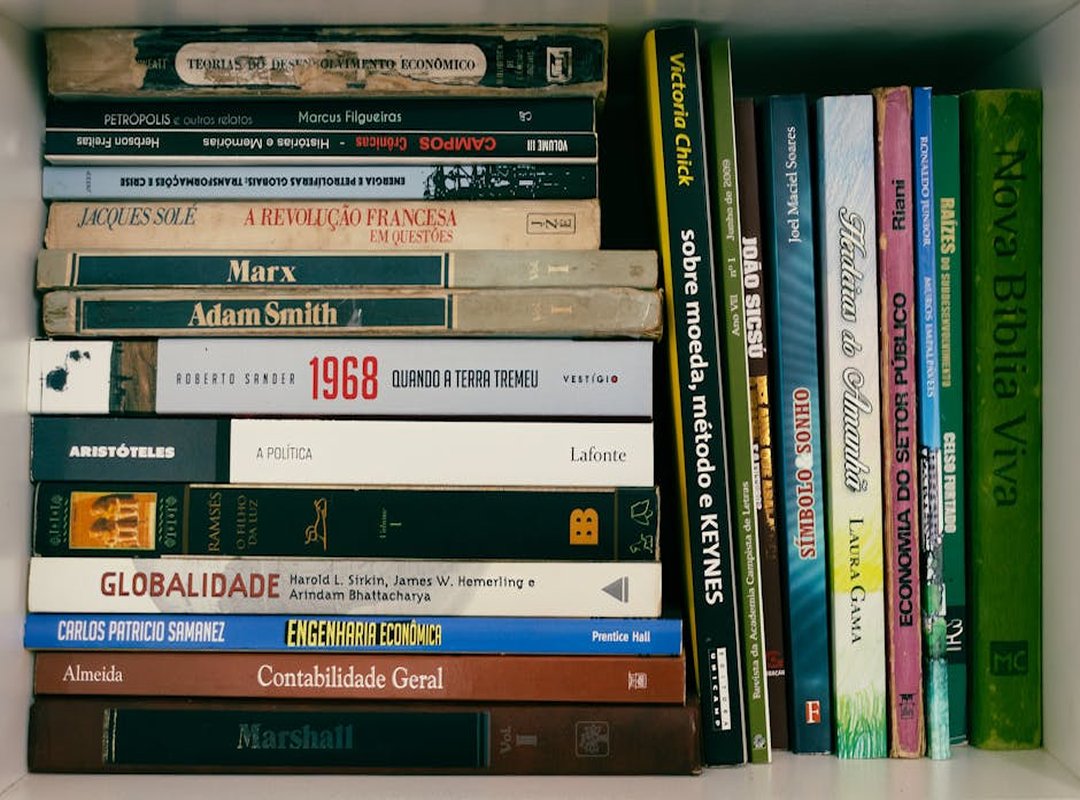
Academic pressure is real. Students face intense competition for university spots and the expectation to graduate with honors. It’s a lot.
Have you ever felt like you’re running on a treadmill that keeps speeding up? That’s what it’s like for many students. They end up pulling all-night study sessions and skipping meals.
Not exactly a recipe for good health, right?
The anxiety about future employment and financial stability adds another layer. In a competitive job market, the fear of not making it can be overwhelming. It’s a major source of chronic stress.
Family expectations don’t help either. For many, a young person’s success is seen as the family’s ticket to a better life. That’s a heavy load to carry.
This constant, high-stakes pressure can lead to burnout, cynicism, and a sense of hopelessness. Some students might even act out in rebellious or controversial ways. Sound familiar?
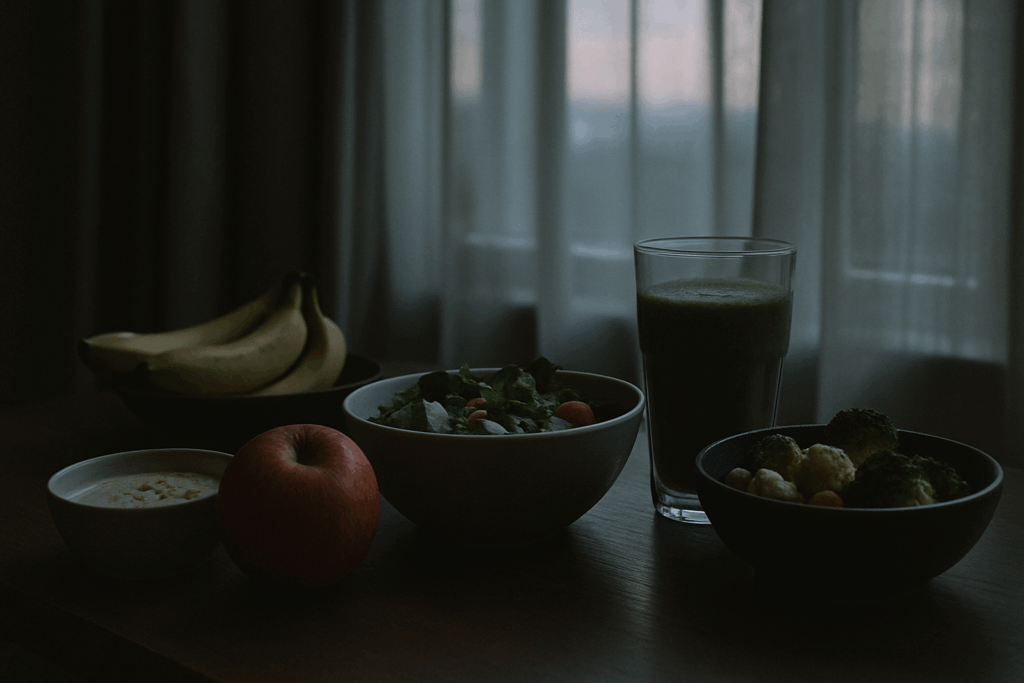
To cope, some turn to quick fixes. But there are healthier options. For example, easy healthy smoothie recipes fuel workouts can be a great way to get the nutrients you need without spending too much time.
Pinay scandal teens, for instance, might find themselves in situations where they feel like there’s no way out. It’s a reminder that we need to support our young people better.
Finding a Path Forward: Fostering Resilience and Well-being
Let’s shift the focus from problems to practical, accessible solutions that promote holistic health. It’s all about making small, manageable changes in your daily life.
First up, digital wellness. Set some screen-time limits. Trust me, it makes a difference.
Curate a positive social media feed. Unfollow anything that brings you down. Practice mindful engagement.
Don’t just scroll; interact with content that uplifts you.
Physical activity is a game-changer for mental health. Simple activities like walking, stretching, or home workouts can help manage stress. Even a 10-minute walk can clear your head.
Open conversations about mental health are crucial. Talk to your family and friends. De-stigmatize seeking help.
It’s okay to not be okay, and it’s even better to talk about it.
Mindfulness and breathing exercises can be immediate tools to manage overwhelming moments. Try a simple breathing exercise: inhale for four counts, hold for four, and exhale for four. It’s a quick way to calm your mind.
Find offline communities and hobbies. Build genuine connections. Whether it’s joining a local club, volunteering, or picking up a new hobby, these activities provide a sense of purpose outside the digital and academic realms.
Pinay scandal teens might be a trending topic, but let’s keep our focus on what truly matters—our well-being and resilience.
Your Next Steps
It’s important to approach sensitive topics with care and responsibility. Pinay scandal teens refers to a concerning issue that requires thoughtful discussion. Always consider the impact of your words on others.
 Christine Goindater has opinions about workout techniques and guides. Informed ones, backed by real experience — but opinions nonetheless, and they doesn't try to disguise them as neutral observation. They thinks a lot of what gets written about Workout Techniques and Guides, Nutrition and Healthy Recipes, Fitness Tips and Routines is either too cautious to be useful or too confident to be credible, and they's work tends to sit deliberately in the space between those two failure modes.
Reading Christine's pieces, you get the sense of someone who has thought about this stuff seriously and arrived at actual conclusions — not just collected a range of perspectives and declined to pick one. That can be uncomfortable when they lands on something you disagree with. It's also why the writing is worth engaging with. Christine isn't interested in telling people what they want to hear. They is interested in telling them what they actually thinks, with enough reasoning behind it that you can push back if you want to. That kind of intellectual honesty is rarer than it should be.
What Christine is best at is the moment when a familiar topic reveals something unexpected — when the conventional wisdom turns out to be slightly off, or when a small shift in framing changes everything. They finds those moments consistently, which is why they's work tends to generate real discussion rather than just passive agreement.
Christine Goindater has opinions about workout techniques and guides. Informed ones, backed by real experience — but opinions nonetheless, and they doesn't try to disguise them as neutral observation. They thinks a lot of what gets written about Workout Techniques and Guides, Nutrition and Healthy Recipes, Fitness Tips and Routines is either too cautious to be useful or too confident to be credible, and they's work tends to sit deliberately in the space between those two failure modes.
Reading Christine's pieces, you get the sense of someone who has thought about this stuff seriously and arrived at actual conclusions — not just collected a range of perspectives and declined to pick one. That can be uncomfortable when they lands on something you disagree with. It's also why the writing is worth engaging with. Christine isn't interested in telling people what they want to hear. They is interested in telling them what they actually thinks, with enough reasoning behind it that you can push back if you want to. That kind of intellectual honesty is rarer than it should be.
What Christine is best at is the moment when a familiar topic reveals something unexpected — when the conventional wisdom turns out to be slightly off, or when a small shift in framing changes everything. They finds those moments consistently, which is why they's work tends to generate real discussion rather than just passive agreement.