
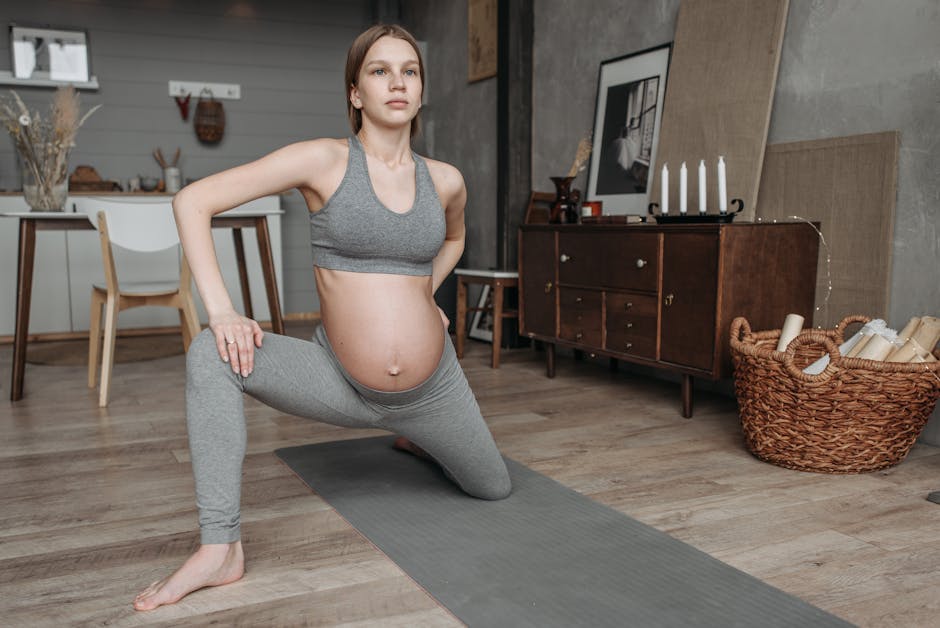
What Mindful Movement Really Means
Mindful movement starts where traditional workouts end. It’s not about reps or sweat points it’s about what you notice. The shift is from pushing the body to working with it, tuning into sensation, breath, and alignment with each motion. That sounds simple, but it takes practice.
Where traditional workouts emphasize intensity burn more, lift more, go faster mindful movement looks for clarity. It asks: Are you fully present as you move? Can you feel your heel touch down during a walk? Is your breath leading or lagging behind the motion? These small cues build awareness that sticks, even off the mat.
This isn’t about going soft. Intention changes everything. A slow stretch with full presence can challenge your focus more than a HIIT sprint. The key is aligning your mind to movement, not just following the timer. That’s where the work is and the benefit.
If the gym is about outcome, mindful movement is about process. One doesn’t replace the other but combining them can elevate both. When you stop zoning out during movement, you stop missing your life while it’s happening.
Practices That Actually Work
Some movement practices do more than just stretch muscles or burn calories they train your attention, rewire your stress response, and ground you in the present moment. These are the ones that still work, especially when your mind is fried and your body just wants to move.
Yoga: It’s not about twisting into impossible shapes. At its core, yoga is the practice of linking breath with movement. Every inhale, every exhale has purpose. Even simple flows sun salutations or seated stretches become a meditative rhythm when breath leads. This isn’t background stretching. It’s you, tuning in.
Tai Chi and Qigong: These ancient Chinese forms look slow, but they build fierce focus. The sequences are deliberate, each transition asking your full attention. Rooted feet, soft hands, slow breath it puts your awareness back into your body, and your mind out of the noise loop.
Walking Meditation: No mat. No special clothes. Just your feet, the ground, and your breath. Slow down your steps. Notice each shift of weight, each movement of your arms. You’re not walking to get somewhere you’re walking to feel yourself move. Everyday movement becomes a reset.
Pilates with Awareness: It’s not just a core workout it’s full body listening. You coordinate breath with movement, focusing on alignment and control. A mindful rep in Pilates is better than ten rushed ones. It sharpens body awareness and subtle control you can carry into other workouts or just how you sit at your desk.
Mindfulness in Running or Strength Training: You don’t need incense and silence to tap into presence. In a run, start by syncing your breath with your steps. On the barbell, notice every stage of the lift. The key is attention over autopilot. That shift from doing to being in the doing is what makes any movement mindful.
Not every session will feel zen or perfect. That’s not the point. The win is creating the space to show up, breathe, and actually be there, in the movement.
The Mental Payoffs

Mindful movement isn’t just about stretching or slowing down it has tangible mental and physical returns. One of the most immediate is anxiety reduction. When breath leads the motion, the nervous system listens. Deep, rhythmic breathing grounds the body, quiets the noise, and creates space between stimulus and response. It’s therapy without the couch.
Then there’s focus. Movement with intention clears mental fog. Whether it’s yoga, tai chi, or just a 10 minute walk with full presence, the brain gets a chance to reset. People report better decision making, sharper memory, and more calm moving into the rest of their day.
Finally, mindful movement builds body awareness like nothing else. When you’re present, you’re not pushing past pain or ignoring warning signs. That means fewer injuries, longer recovery windows, and a deeper connection to what your body is asking for.
If you want to explore how this all ties together, check out Combining Movement and Clarity.
Building Consistency Without Burnout
You don’t need an hour. You don’t need gear. You need ten focused minutes. That’s it. Start there.
Consistency doesn’t come from intensity it’s about creating a rhythm you can actually live with. Anchor your practice to something that already happens daily, like making coffee in the morning or brushing your teeth at night. That’s habit stacking. It removes the debate from the equation. You’re not asking if you have time or energy. It’s just part of the flow.
Drop the pressure to have some transcendent experience every time. No chasing perfect posture or a quiet mind. Just show up. Stretch a little. Breathe with intention. Take a walk without your phone. Let your body move in ways that feel good, not performative.
Think of it as recovery, not another item on your to do list. When movement is mental rest instead of mental strain, it becomes sustainable. That’s the difference between burning out and building a daily practice that actually sticks.
Final Takeaways
You don’t need to break a sweat to break through. Movement, when done with focus, has impact well beyond cardio or calorie burn. A five minute walk, a slow stretch, a single conscious breath while holding a pose these moments build clarity and control. It’s not about going hard. It’s about going aware.
Mindfulness doesn’t live only in your head. Your body is a compass. By paying close attention to how it moves, how it resists, how it opens you get real time feedback on your internal state. Train your body to move with intention, and your mind follows.
Forget rep counts and personal bests for a second. What matters more is where your attention lives during each motion. One rep with full awareness often beats ten done on autopilot. Show up, tune in, and keep it honest.
If you’re ready to dive deeper, check out Combining Movement and Clarity.
 Taliah Vornhanna is the kind of writer who genuinely cannot publish something without checking it twice. Maybe three times. They came to mindfulness and mental health through years of hands-on work rather than theory, which means the things they writes about — Mindfulness and Mental Health, Fitness Tips and Routines, Nutrition and Healthy Recipes, among other areas — are things they has actually tested, questioned, and revised opinions on more than once.
That shows in the work. Taliah's pieces tend to go a level deeper than most. Not in a way that becomes unreadable, but in a way that makes you realize you'd been missing something important. They has a habit of finding the detail that everybody else glosses over and making it the center of the story — which sounds simple, but takes a rare combination of curiosity and patience to pull off consistently. The writing never feels rushed. It feels like someone who sat with the subject long enough to actually understand it.
Outside of specific topics, what Taliah cares about most is whether the reader walks away with something useful. Not impressed. Not entertained. Useful. That's a harder bar to clear than it sounds, and they clears it more often than not — which is why readers tend to remember Taliah's articles long after they've forgotten the headline.
Taliah Vornhanna is the kind of writer who genuinely cannot publish something without checking it twice. Maybe three times. They came to mindfulness and mental health through years of hands-on work rather than theory, which means the things they writes about — Mindfulness and Mental Health, Fitness Tips and Routines, Nutrition and Healthy Recipes, among other areas — are things they has actually tested, questioned, and revised opinions on more than once.
That shows in the work. Taliah's pieces tend to go a level deeper than most. Not in a way that becomes unreadable, but in a way that makes you realize you'd been missing something important. They has a habit of finding the detail that everybody else glosses over and making it the center of the story — which sounds simple, but takes a rare combination of curiosity and patience to pull off consistently. The writing never feels rushed. It feels like someone who sat with the subject long enough to actually understand it.
Outside of specific topics, what Taliah cares about most is whether the reader walks away with something useful. Not impressed. Not entertained. Useful. That's a harder bar to clear than it sounds, and they clears it more often than not — which is why readers tend to remember Taliah's articles long after they've forgotten the headline.