
I’ve seen too many people burn out after two weeks of trying to “get healthy.”
You start strong. Cut out all the bad foods. Hit the gym hard. Then life happens and everything falls apart.
Here’s the truth: those extreme changes don’t stick because they’re not built for real life.
I’ve spent years figuring out what actually works for maintaining a healthy lifestyle. Not the Instagram version. The kind that fits into your actual schedule and doesn’t make you miserable.
This article gives you a complete framework for staying healthy long term. We’re talking about movement, food, and mental health working together. Not one without the others.
How to keep fit twspoonfitness is about building systems that last. We focus on methods backed by science but simple enough to use every day.
You’ll learn how to create habits that don’t require perfect conditions. How to eat well without obsessing over every calorie. How to move your body in ways that feel good.
No fad diets. No workout plans you’ll quit in a month.
Just practical steps that turn healthy living into something you can actually maintain.
Pillar 1: Consistent Movement Over Intense Workouts
You’ve probably seen those workout videos.
Someone’s dripping sweat, barely breathing, collapsing after a 90-minute HIIT session. And you think that’s what fitness has to look like.
It doesn’t.
Here’s what most people get wrong. They compare two scenarios: going all out three times a week versus moving moderately every day. Then they pick the intense route because it feels more “serious.”
But which one can you actually maintain?
I’m not saying intense workouts are bad. Some people love them. If that’s you, great.
But if you’re someone who dreads exercise because you think it has to hurt, I want you to consider a different approach.
The shift is simple. Stop thinking “exercise.” Start thinking “movement.”
Your body doesn’t care if you’re in a gym or walking around your neighborhood. It just wants to move. Aim for 30 minutes of moderate activity most days. That’s it.
Find What You’ll Actually Do
The best workout is the one you won’t skip.
Dancing in your living room counts. So does hiking, swimming, or joining a pickup basketball game. I’ve worked with people who hate traditional gyms but will happily spend an hour on a nature trail.
Movement stacking is how to keep fit Twspoonfitness without overhauling your entire day.
Break it into 10-minute chunks. A brisk walk at lunch. Bodyweight squats while your coffee brews. Stretching during your favorite show.
These add up faster than you think.
Why Strength Matters
Building muscle isn’t just about looking toned.
Your metabolism runs better with more muscle mass. Your bones get stronger (which matters way more as you age). Daily tasks get easier.
You don’t need fancy equipment.
Here’s a basic template: 2-3 full-body strength sessions per week. Push-ups, squats, rows, planks. Start with what you can do and build from there. To enhance your gaming performance, consider incorporating a fitness routine inspired by Twspoonfitness, which emphasizes 2-3 full-body strength sessions a week with exercises like push-ups, squats, rows, and planks, allowing you to start at your own pace and gradually build strength.
Compare this to doing nothing because you think you need a perfect gym setup. One approach moves you forward. The other keeps you stuck.
I know which one works.
Pillar 2: Fueling Your Body, Not Restricting It
Look, I’m going to be straight with you.
I don’t have all the answers when it comes to the perfect diet. Nobody does. And anyone who tells you they’ve figured out the ONE way to eat is probably trying to sell you something.
What I do know is this: restriction doesn’t work long term.
I’ve tried it. You’ve probably tried it. We white-knuckle our way through some rigid meal plan for a few weeks, then crash hard into a pint of ice cream at 10 PM.
There’s a better way.
The 80/20 Rule
Here’s what actually works for most people (and yeah, I say “most” because some folks might need a different split).
Eat nutrient-dense whole foods about 80% of the time. The other 20%? That’s for pizza night or your mom’s cookies or whatever makes you feel human.
This isn’t about being perfect. It’s about being consistent enough that your body gets what it needs while your brain doesn’t feel deprived.
Building a Healthy Plate
I keep this simple because complicated doesn’t stick.
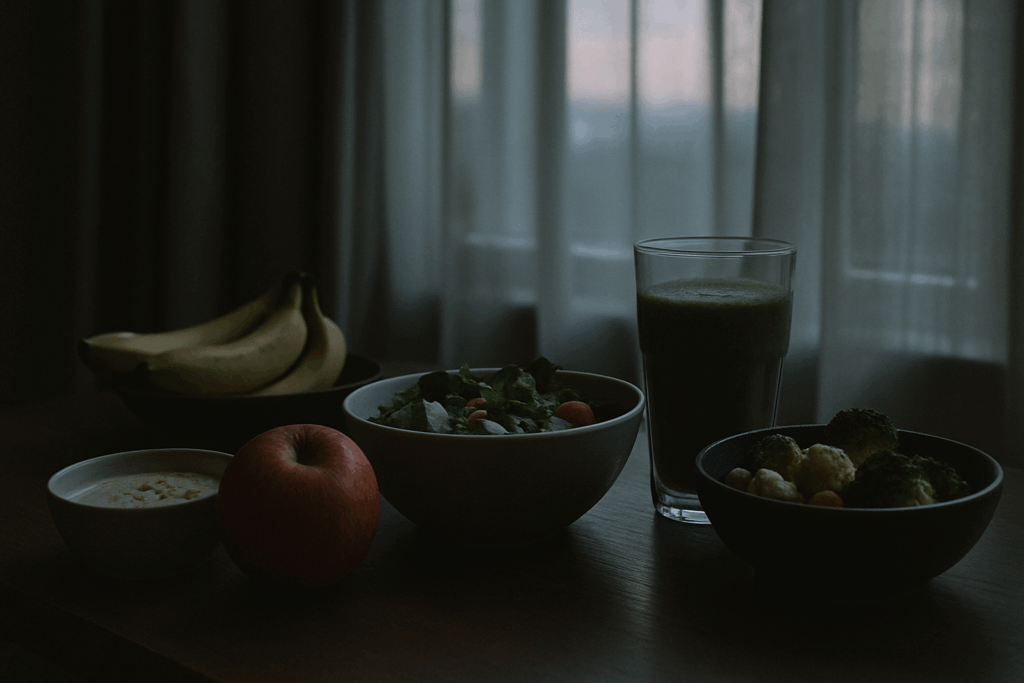
When you plate your food, aim for half non-starchy vegetables. Think spinach, broccoli, peppers. A quarter goes to lean protein like chicken or fish. Another quarter for complex carbs like sweet potato or brown rice.
Add a thumb-sized portion of healthy fats. I put these concepts into practice in Vitamin Advice Twspoonfitness.
That’s it. No measuring cups required.
Hydration is Key
Water does more than you think. It keeps your energy up, helps your metabolism run right, and keeps your brain working when you need it to.
But here’s what I’m NOT sure about: those claims that you need exactly eight glasses a day? The science is actually pretty mixed on that specific number (Institute of Medicine suggests it varies based on activity level and climate).
What I DO know is most of us don’t drink enough.
Pro tip: Get a marked water bottle. Fill it twice. That’s usually enough for most people on regular days.
You can also infuse water with lemon or berries if plain water bores you to tears.
Meal Prep Made Simple
Full meal prep stresses people out. All those identical containers lined up like you’re running a cafeteria.
Try component prepping instead.
Cook a batch of chicken on Sunday. Roast some vegetables. Make quinoa or rice. Then mix and match during the week based on what you actually want.
Monday you might want chicken with roasted veggies. Wednesday? Same chicken in a wrap with different toppings.
This is how to keep fit twspoonfitness without losing your mind in the kitchen.
It gives you structure WITHOUT the soul-crushing repetition.
Pillar 3: The Overlooked Essentials – Sleep and Recovery

You can nail your workouts and eat clean all week.
But if you’re sleeping five hours a night? You’re spinning your wheels.
I see this all the time. People wonder why they’re not losing weight or building muscle when they’re doing everything right at the gym. Then I ask about sleep and suddenly it clicks.
Here’s what the research shows. When you sleep less than seven hours, your body produces more ghrelin (the hunger hormone) and less leptin (the one that tells you you’re full). A study in the Annals of Internal Medicine found that sleep-deprived dieters lost 55% less fat than those who slept well, even on the same calorie deficit. To optimize your weight loss efforts and support your overall health, incorporating insights from Body Nutrition Twspoonfitness can be crucial, especially considering that insufficient sleep significantly disrupts hormone balance and hinders fat loss.
That’s not a small difference.
Sleep is also when your muscles actually repair. All that work you put in at the gym? It only pays off if you give your body time to rebuild.
Your wind-down routine matters more than you think.
Start by ditching screens an hour before bed. I know that’s tough. But the blue light messes with your melatonin production and keeps you wired.
Keep your bedroom cool. Around 65-68 degrees works best for most people. I walk through this step by step in Body Nourishment Twspoonfitness.
Stick to the same sleep schedule, even on weekends. Your body loves consistency.
Now let’s talk about rest days.
Rest doesn’t mean sitting on the couch all day. Active recovery actually helps you feel better faster.
Try foam rolling for 10-15 minutes. Research published in the Journal of Athletic Training shows it reduces muscle soreness and improves range of motion.
Go for a gentle walk. Do some light stretching. The goal is movement without stress.
This is part of learning how to keep fit twspoonfitness style. Recovery isn’t lazy. It’s strategic.
And if you’re looking for more ways to support your recovery, check out vitamin advice twspoonfitness for guidance on what your body might need.
Pillar 4: Mastering Your Mindset for Long-Term Success
Your mind will quit before your body does.
I see it all the time. Someone starts strong with their fitness routine. They’re crushing workouts and eating clean. Then stress hits and everything falls apart.
Here’s what most people don’t realize.
Chronic stress isn’t just making you feel overwhelmed. It’s literally changing your body chemistry. When cortisol stays high for weeks or months, your body starts storing fat around your midsection (according to research published in Psychoneuroendocrinology). Worse, it messes with your decision-making. You’re more likely to skip workouts and reach for comfort food.
Some trainers say stress doesn’t matter if you just push harder. That willpower is all you need.
But that’s missing the point. You can’t outwork a stressed-out nervous system. Your body will fight you every step of the way.
Managing your mental state isn’t optional. It’s part of how to keep fit twspoonfitness and actually stay that way.
Start with something simple. I’m talking five minutes of guided meditation or box breathing:
- Inhale for 4 counts
- Hold for 4 counts
- Exhale for 4 counts
- Hold for 4 counts
Or try a daily gratitude journal. Write down three things before bed. It sounds basic but it works.
Now here’s the real game changer.
Stop setting outcome goals. I know that sounds backward. But focusing on “lose 20 pounds” sets you up to feel like you’re failing every single day until you hit that number.
Instead, set process goals. “Strength train 3 times this week.” That’s something you control completely. You either do it or you don’t. And when you stack those wins week after week, the outcomes take care of themselves. By focusing on consistent process goals, such as committing to strength training three times a week, you can achieve a sense of accomplishment that aligns perfectly with the principles of Vitamin Advice Twspoonfitness, ultimately leading to positive outcomes in your fitness journey.
This approach to body nutrition twspoonfitness builds real momentum. You’re not waiting to feel successful. You’re proving it to yourself constantly.
Your Journey to a Sustainable Healthy Lifestyle
You came here looking for a way to make healthy living stick.
I’ve shown you that it’s not about one big change. It’s about small habits that work together across movement, nutrition, recovery, and mindset.
The all-or-nothing approach sets you up to fail. I’ve seen it happen too many times.
Balance and consistency are what actually work.
When you treat these four pillars as a connected system, something shifts. Healthy choices start to feel natural instead of forced. You build a positive feedback loop that keeps you moving forward.
Here’s what I want you to do: Pick one tip from this guide and try it this week. Just one.
Maybe it’s drinking more water. Maybe it’s adding a five-minute stretch to your morning. Maybe it’s getting to bed 30 minutes earlier.
Start small and build from there. That’s how you create momentum.
How to keep fit twspoonfitness is about giving you practical tools that fit into your real life. No extreme plans or unrealistic expectations.
Your healthier, more vibrant life starts with that first small step. Take it this week.
 Taliah Vornhanna is the kind of writer who genuinely cannot publish something without checking it twice. Maybe three times. They came to mindfulness and mental health through years of hands-on work rather than theory, which means the things they writes about — Mindfulness and Mental Health, Fitness Tips and Routines, Nutrition and Healthy Recipes, among other areas — are things they has actually tested, questioned, and revised opinions on more than once.
That shows in the work. Taliah's pieces tend to go a level deeper than most. Not in a way that becomes unreadable, but in a way that makes you realize you'd been missing something important. They has a habit of finding the detail that everybody else glosses over and making it the center of the story — which sounds simple, but takes a rare combination of curiosity and patience to pull off consistently. The writing never feels rushed. It feels like someone who sat with the subject long enough to actually understand it.
Outside of specific topics, what Taliah cares about most is whether the reader walks away with something useful. Not impressed. Not entertained. Useful. That's a harder bar to clear than it sounds, and they clears it more often than not — which is why readers tend to remember Taliah's articles long after they've forgotten the headline.
Taliah Vornhanna is the kind of writer who genuinely cannot publish something without checking it twice. Maybe three times. They came to mindfulness and mental health through years of hands-on work rather than theory, which means the things they writes about — Mindfulness and Mental Health, Fitness Tips and Routines, Nutrition and Healthy Recipes, among other areas — are things they has actually tested, questioned, and revised opinions on more than once.
That shows in the work. Taliah's pieces tend to go a level deeper than most. Not in a way that becomes unreadable, but in a way that makes you realize you'd been missing something important. They has a habit of finding the detail that everybody else glosses over and making it the center of the story — which sounds simple, but takes a rare combination of curiosity and patience to pull off consistently. The writing never feels rushed. It feels like someone who sat with the subject long enough to actually understand it.
Outside of specific topics, what Taliah cares about most is whether the reader walks away with something useful. Not impressed. Not entertained. Useful. That's a harder bar to clear than it sounds, and they clears it more often than not — which is why readers tend to remember Taliah's articles long after they've forgotten the headline.