

The Overlooked Factor in Fitness: Sleep
When it comes to training, most people focus solely on exercise and nutrition. But there’s a third pillar that often gets overlooked and it’s just as vital: sleep. From physical recovery to mental sharpness, quality sleep underpins every aspect of your fitness progress.
Why Sleep Ranks with Workouts and Nutrition
Sleep is not just rest it’s your body’s prime time for rebuilding and recharging. Think of it as active recovery working behind the scenes. Without adequate sleep, even the best workout and diet plan won’t deliver the results you’re chasing.
Sleep supports consistent energy levels and stable mood
It’s crucial for balancing hunger hormones like leptin and ghrelin
Lack of sleep makes it harder to stick to training or nutrition goals
What Happens During Deep Sleep
Your body kicks into high gear once you hit those deeper sleep stages, turning rest into restoration:
Hormonal Repair: Growth hormone surges during slow wave sleep, helping repair muscles and build lean tissue.
Cellular Maintenance: Cells work overtime at night to heal wear and tear from workouts.
Brain Clean Up: Sleep clears metabolic waste from the brain a key factor in mental clarity and motivation.
The Link Between Rest and Performance
Failing to prioritize sleep leads to more than just feeling tired. Rest is directly tied to how well you perform in the gym:
Reduced reaction time and coordination
Lowered endurance and strength output
Increased risk of injury due to fatigue and delayed reflexes
In short: No matter how dialed in your workout plan is, your gains will stall if sleep isn’t part of the strategy.
Sleep’s Direct Impact on Training Results
You can’t out train poor sleep. It doesn’t matter how dialed in your program is if you’re skimping on rest, your performance takes a hit. Strength and endurance are two of the first things to go. Studies show that sleep deprived athletes struggle to push heavy loads and maintain effort over time. The tank just runs out faster.
But it’s not just about muscle. Reaction time slows down, making split second decisions harder. That matters whether you’re on the field or just trying to stay balanced during compound lifts. Then there’s motivation. Chronic sleep loss crushes mental drive your PR might still be there, but your will to chase it gets drowned in fatigue.
During REM and slow wave sleep, your body shifts into recovery mode. Muscle fibers repair. Inflammatory markers drop. Natural growth hormone your built in recovery agent peaks here. When that cycle is cut short, recovery stalls and wear builds up. If you want real training progress, sleep isn’t a luxury. It’s infrastructure.
Your Recovery Hinges on Rest
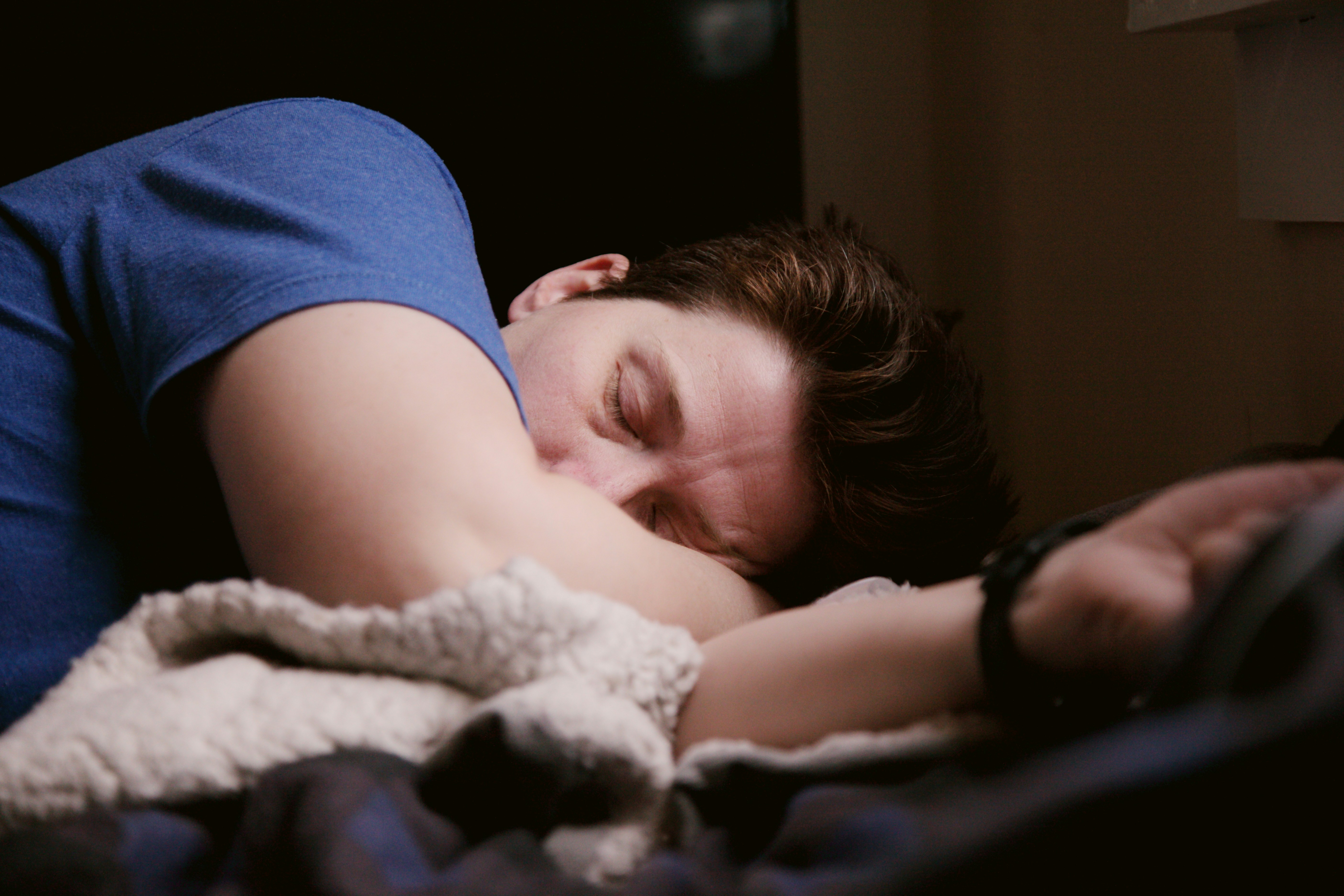
Training breaks down muscle. Sleep builds it back up. Simple as that.
Every intense workout creates microtears in your muscle tissue. That’s normal it’s how strength and size happen. But recovery begins only when you stop moving. During deep sleep, particularly the slow wave phase, your body kicks into repair mode. Growth hormone spikes, leading to tissue regeneration and faster recovery. Miss that sleep window, and you miss your chance to rebuild.
Cortisol, the stress hormone, also plays a role. Too much of it, especially from overtraining and lack of sleep, leaves your muscles inflamed and your body stuck in survival mode. Balanced rest helps regulate cortisol and keeps inflammation in check meaning less soreness, fewer injuries, and more consistent training.
To get the most out of this process, time your training around your sleep. Avoid late night high intensity workouts that can spike adrenaline and sabotage rest. Aim to lift or run earlier in the day, and start winding down at least an hour before bed. Consistency is key a regular sleep schedule gives your body the rhythm it needs to recover and grow.
Looking for more ways to fine tune your recovery? Check out this guide: Workout Recovery Tips.
Strategies to Improve Sleep for Exercise Gains
Sleep isn’t just about closing your eyes it’s a system. And if you’re training hard, poor sleep habits will hold you back, plain and simple. Start with timing. Finishing workouts too late spikes cortisol and adrenaline, which kills quality rest. Try wrapping up intense training at least three hours before bed. Same goes for food. Heavy meals too close to bedtime force your body into digestion mode, not recovery mode. Keep dinner lighter and aim to eat at least 90 minutes before you hit the lights.
Next, let’s talk wind down routines. Netflix benders and scrolling don’t count. What works: low light, no screens, and same time sleep schedules. A warm shower, static stretching, or journaling can help you downshift. What doesn’t: caffeine after 3pm, late night lifts, or doom scrolling on your phone.
Then there’s sleep hygiene. Blackout curtains. Cool room temps (around 65°F is ideal). No blue light. And no hitting snooze five times. Athletes need quality sleep cycles to trigger growth hormone release and muscle repair. You can’t shortcut this.
Dial it in, keep it simple, and treat sleep like training. For more, check out the Workout Recovery Tips guide.
Top Takeaways
Let’s be clear: sleep isn’t a luxury it’s a non negotiable part of your training program. Missing sleep is the same as skipping leg day. You can’t expect to push hard in the gym if your system’s running on low power.
Aim for 7 to 9 hours every night. That’s the sweet spot where growth hormone gets to work, inflammation cools down, and your muscles rebuild stronger. Anything less, and you’re shortchanging your recovery and performance.
Start treating rest like your workouts: plan it, protect it, and track it. Recovery apps and wearables can show you the data, but the bottom line is simple. If you’re crushing your workouts but dragging through the day, your problem probably starts with what happens or doesn’t between the sheets.
 There is a specific skill involved in explaining something clearly — one that is completely separate from actually knowing the subject. Louisianah Wellspringster has both. They has spent years working with wellness and lifestyle advice in a hands-on capacity, and an equal amount of time figuring out how to translate that experience into writing that people with different backgrounds can actually absorb and use.
Louisianah tends to approach complex subjects — Wellness and Lifestyle Advice, Fitness Tips and Routines, Expert Fitness Insights being good examples — by starting with what the reader already knows, then building outward from there rather than dropping them in the deep end. It sounds like a small thing. In practice it makes a significant difference in whether someone finishes the article or abandons it halfway through. They is also good at knowing when to stop — a surprisingly underrated skill. Some writers bury useful information under so many caveats and qualifications that the point disappears. Louisianah knows where the point is and gets there without too many detours.
The practical effect of all this is that people who read Louisianah's work tend to come away actually capable of doing something with it. Not just vaguely informed — actually capable. For a writer working in wellness and lifestyle advice, that is probably the best possible outcome, and it's the standard Louisianah holds they's own work to.
There is a specific skill involved in explaining something clearly — one that is completely separate from actually knowing the subject. Louisianah Wellspringster has both. They has spent years working with wellness and lifestyle advice in a hands-on capacity, and an equal amount of time figuring out how to translate that experience into writing that people with different backgrounds can actually absorb and use.
Louisianah tends to approach complex subjects — Wellness and Lifestyle Advice, Fitness Tips and Routines, Expert Fitness Insights being good examples — by starting with what the reader already knows, then building outward from there rather than dropping them in the deep end. It sounds like a small thing. In practice it makes a significant difference in whether someone finishes the article or abandons it halfway through. They is also good at knowing when to stop — a surprisingly underrated skill. Some writers bury useful information under so many caveats and qualifications that the point disappears. Louisianah knows where the point is and gets there without too many detours.
The practical effect of all this is that people who read Louisianah's work tend to come away actually capable of doing something with it. Not just vaguely informed — actually capable. For a writer working in wellness and lifestyle advice, that is probably the best possible outcome, and it's the standard Louisianah holds they's own work to.