

Why Journaling Works So Well
Journaling cuts through mental noise. When you put words to thoughts especially the messy, half formed ones it’s like dragging files scattered across your desktop into named folders. You see what you’re dealing with. What’s vague becomes clear. That clarity alone can lighten the load.
It’s also a safe outlet. Anger, fear, guilt emotions you might avoid in conversation can go straight onto the page without judgment. The structure of writing gives emotional release a container, something solid to hold it. It doesn’t solve everything, but it stops feelings from spinning unchecked.
Over time, patterns start to reveal themselves. You begin spotting the emotional loops you keep circling, the triggers that keep popping up, the wins you forget to celebrate. Journaling doesn’t just help in the moment it teaches you how your mind works. And when you know that, you start moving through life differently.
Mental Benefits You Actually Feel
Journaling isn’t some mystical remedy it’s practical brain work you can feel. Writing things down gives your thoughts weight, turning vague emotions into something you can see and name. That self awareness is powerful. It helps you catch patterns you’d otherwise miss and make better calls in everyday life.
Focused reflection also takes the edge off stress. When you pause to unpack what’s really bothering you, anxiety quiets down. You’re not just spiraling or ruminating you’re investigating. That shift in mindset boosts personal control and emotional balance.
There’s even cognitive upside. Regular journaling improves memory, sharpens how you process decisions, and reinforces clarity in your mental conversations. Over time, your brain gets better at sorting what matters from what doesn’t.
And it’s even better when paired with something like a consistent workout routine. Physical activity and journaling complement each other movement clears tension, writing clears the mind. (see how exercise and mood are linked).
How to Start Without Overthinking It
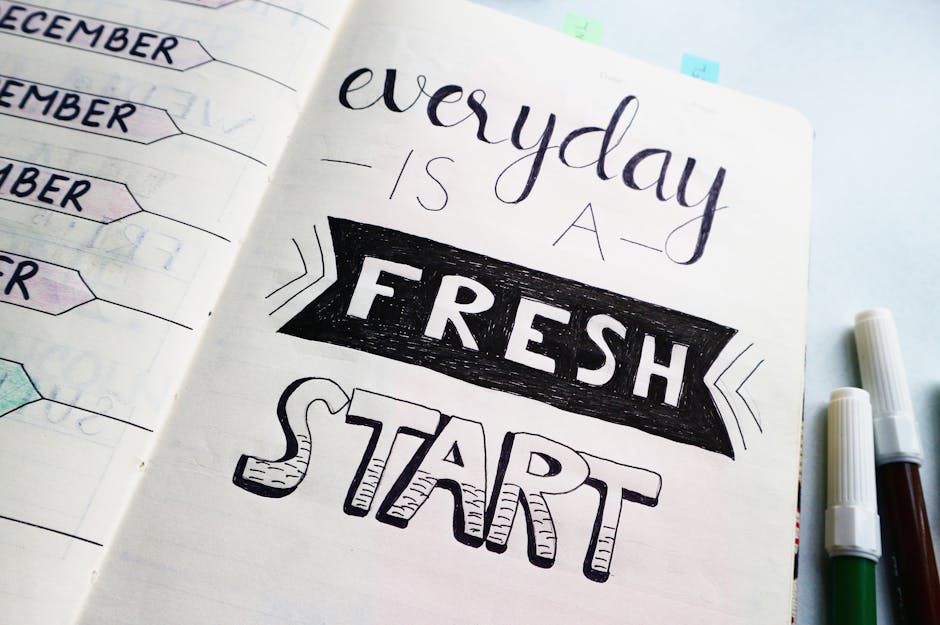
Skip the fancy leather bound notebook. You don’t need color coded pens or a pristine workspace. All it takes is one thing: a place to put your thoughts. That can be a spiral notebook, a notes app on your phone, or a Google Doc. Don’t let tools become excuses.
If you’re stuck on how to start, keep it basic. Try one of these:
“3 things I’m grateful for”
“What I’m feeling right now”
Quick bullet points: wins, worries, and anything that feels heavy or important
The key isn’t length it’s showing up. Give it five minutes. That’s enough to check in with yourself and take the pressure off. Over time, those daily pages start to stack up into something solid.
Keep it simple. Keep it honest. Let it be whatever it needs to be that day.
Journaling and Emotional Resilience
Life doesn’t slow down when things get heavy. Journaling gives you a place to catch your balance. On paper or screen you can say the hard stuff without performing for anyone. It’s a no judgment zone. That safe space is where emotional resilience starts to take shape. The more often you face a thought, name it, and unpack it, the less power it has over you.
Negative thoughts tend to spiral when they stay stuck in your head. Writing them down turns them into something you can see and respond to. Instead of getting swept up in the feeling, journaling helps you ask better questions: Is this really true? What else could this mean? That shift changes the whole tone of your internal dialogue.
Over time, you start to notice patterns. Not just in what hurts but in how you recover. Mistakes stop feeling like failures and start looking like information. Emotional setbacks become data points. Journaling won’t fix everything, but it will make you stronger, more clear headed, and better equipped to roll with the hits and learn from them.
Combining Practices for a Stronger Mental Toolkit
Journaling is powerful on its own, but when you pair it with mindful movement like walking, stretching, or slow strength training it amplifies the effect. Physical activity doesn’t just shake off tension; it clears the brain fog, too. That post workout calm? It primes you for deeper reflection. So when you sit down to write, your thoughts begin to untangle faster.
This isn’t just theory. Exercise releases physical stress, while journaling processes the emotional load. Together, they create space for awareness, clarity, and sometimes, even answers. Think of it as hitting reset on both body and mind.
For more on how movement shapes mood and mindset, check out this piece on exercise and mood.
Final Takeaway: Make It Yours
There’s no one size fits all journaling method and that’s the beauty of it. Whether your style leans reflective, creative, structured, or off the cuff, the act of showing up on the page is what matters. Some days you might pour your guts out. Other days, it’s just a list or a scribble. That’s still progress.
The key is to build a habit that fits where your head’s at. Maybe you’re running on low energy and only have the bandwidth for a sentence or two. That’s fine. Honoring your mental and emotional space makes the practice sustainable. You don’t need an elaborate ritual. Just consistency.
Don’t expect clarity to hit like a lightning bolt. It comes in fragments layers added day after day. But over time, those fragments add up to something solid. You’ll know yourself better. See yourself clearer. And that’s worth showing up for.
 There is a specific skill involved in explaining something clearly — one that is completely separate from actually knowing the subject. Louisianah Wellspringster has both. They has spent years working with wellness and lifestyle advice in a hands-on capacity, and an equal amount of time figuring out how to translate that experience into writing that people with different backgrounds can actually absorb and use.
Louisianah tends to approach complex subjects — Wellness and Lifestyle Advice, Fitness Tips and Routines, Expert Fitness Insights being good examples — by starting with what the reader already knows, then building outward from there rather than dropping them in the deep end. It sounds like a small thing. In practice it makes a significant difference in whether someone finishes the article or abandons it halfway through. They is also good at knowing when to stop — a surprisingly underrated skill. Some writers bury useful information under so many caveats and qualifications that the point disappears. Louisianah knows where the point is and gets there without too many detours.
The practical effect of all this is that people who read Louisianah's work tend to come away actually capable of doing something with it. Not just vaguely informed — actually capable. For a writer working in wellness and lifestyle advice, that is probably the best possible outcome, and it's the standard Louisianah holds they's own work to.
There is a specific skill involved in explaining something clearly — one that is completely separate from actually knowing the subject. Louisianah Wellspringster has both. They has spent years working with wellness and lifestyle advice in a hands-on capacity, and an equal amount of time figuring out how to translate that experience into writing that people with different backgrounds can actually absorb and use.
Louisianah tends to approach complex subjects — Wellness and Lifestyle Advice, Fitness Tips and Routines, Expert Fitness Insights being good examples — by starting with what the reader already knows, then building outward from there rather than dropping them in the deep end. It sounds like a small thing. In practice it makes a significant difference in whether someone finishes the article or abandons it halfway through. They is also good at knowing when to stop — a surprisingly underrated skill. Some writers bury useful information under so many caveats and qualifications that the point disappears. Louisianah knows where the point is and gets there without too many detours.
The practical effect of all this is that people who read Louisianah's work tend to come away actually capable of doing something with it. Not just vaguely informed — actually capable. For a writer working in wellness and lifestyle advice, that is probably the best possible outcome, and it's the standard Louisianah holds they's own work to.