
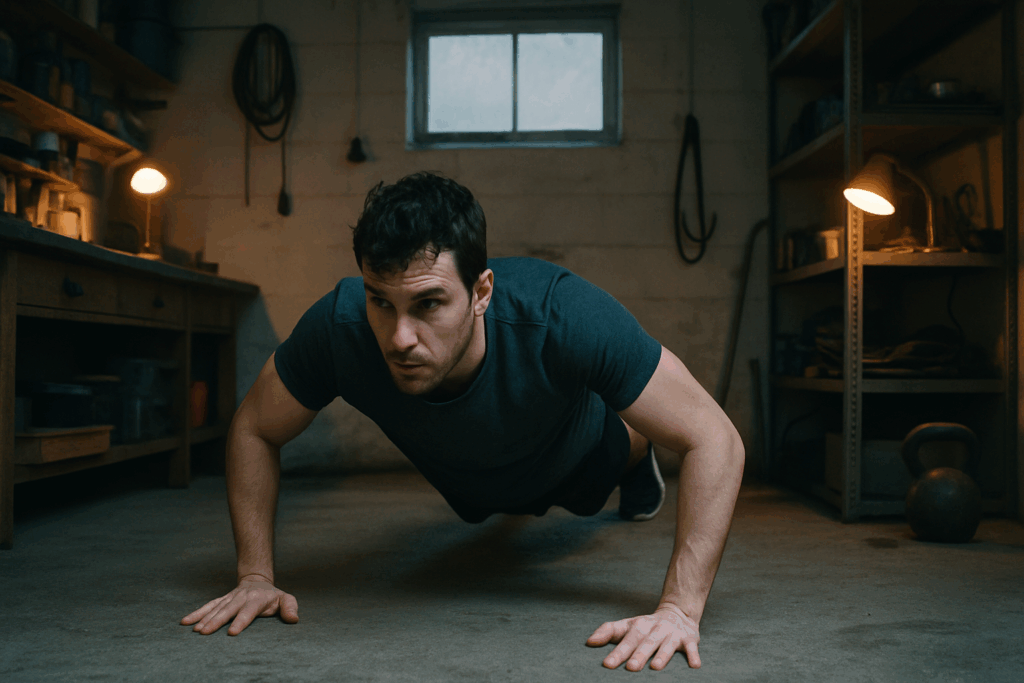
Why Going Equipment Free Works
You don’t need a gym full of machines or heavy dumbbells to build real strength and stay consistent with your workouts. Equipment free training using just your body can be just as effective, especially when done with intention and structure.
Bodyweight = Real Results
Too often, people underestimate the power of using your own body as resistance. However, exercises like push ups, squats, and planks challenge multiple muscle groups at once, making them powerful tools for building strength, endurance, and coordination.
Engages multiple muscles with compound movements
Encourages functional strength you can use in daily life
Builds core stability and balance naturally
Why Ditch the Gear?
Going equipment free doesn’t just simplify your fitness routine it makes it more accessible and sustainable in the long run.
Advantages of no equipment workouts:
Saves time: No commute or setup needed work out anytime
Requires minimal space: A small area or room is all you need
Zero cost: No need to invest in expensive gear or memberships
Consistency > Equipment
No matter how advanced your training gear is, it won’t make a difference without consistency. Frequent, intentional bodyweight workouts build momentum and strength over time.
Routine builds habit and habits build results
Easier to stay consistent when workouts fit easily into your lifestyle
Sustainable for the long term, which is key to real transformation
Mastering the Basics
At its core, bodyweight training is raw and efficient. No machines, no distractions just you, your body, and gravity. The principle is simple: your body becomes the resistance. It’s how gymnasts train. It’s how fighters build functional strength. And it works just as well in a living room as it does in a gym.
Stick to the fundamentals. Five primal movements form the backbone of effective equipment free workouts: push, pull, squat, hinge, and plank. Push ups hit your chest and triceps. Pull work (like doorframe rows or towel pulls) builds your back. Squats and lunges develop powerful legs. Hip hinges think single leg bridges or good mornings target your posterior chain. Planks and hollow holds reinforce your core and posture.
But none of that matters if your form’s sloppy. More reps don’t equal more gains if you’re compromising technique. One clean squat beats ten half hearted ones. Focus on control, alignment, and breathing. That’s where the strength builds. With bodyweight training, quality is the real multiplier.
Full Body Home Workout Structure
Start with a warm up always. Keep it short but sharp: 2 3 minutes of jumping jacks gets the blood flowing, then some arm swings, hip circles, and dynamic stretches to loosen up. You want to feel ready, not wrecked before the workout even starts.
Upper body first. Classic push ups build chest and shoulder strength. Chair dips hit the triceps without any fancy gear. Wall walks are tough but worth it they light up your shoulders and core and prep you for advanced movements down the line.
For lower body, stick to the foundations. Squats for power, lunges for stability, glute bridges to fire up the posterior chain. No weights needed just bodyweight with full range of motion.
Core isn’t an afterthought. Planks for control, leg raises for lower ab strength, mountain climbers for a quick shot of cardio and burn. Rotate through these exercises with intention.
Structure the whole thing into 3 4 circuits. Cycle through upper, lower, and core in rounds. Keep rests short (30 45 seconds) to maintain intensity. You’re not just working out you’re training. Efficient. Effective. No excuses.
The Power of Calisthenics
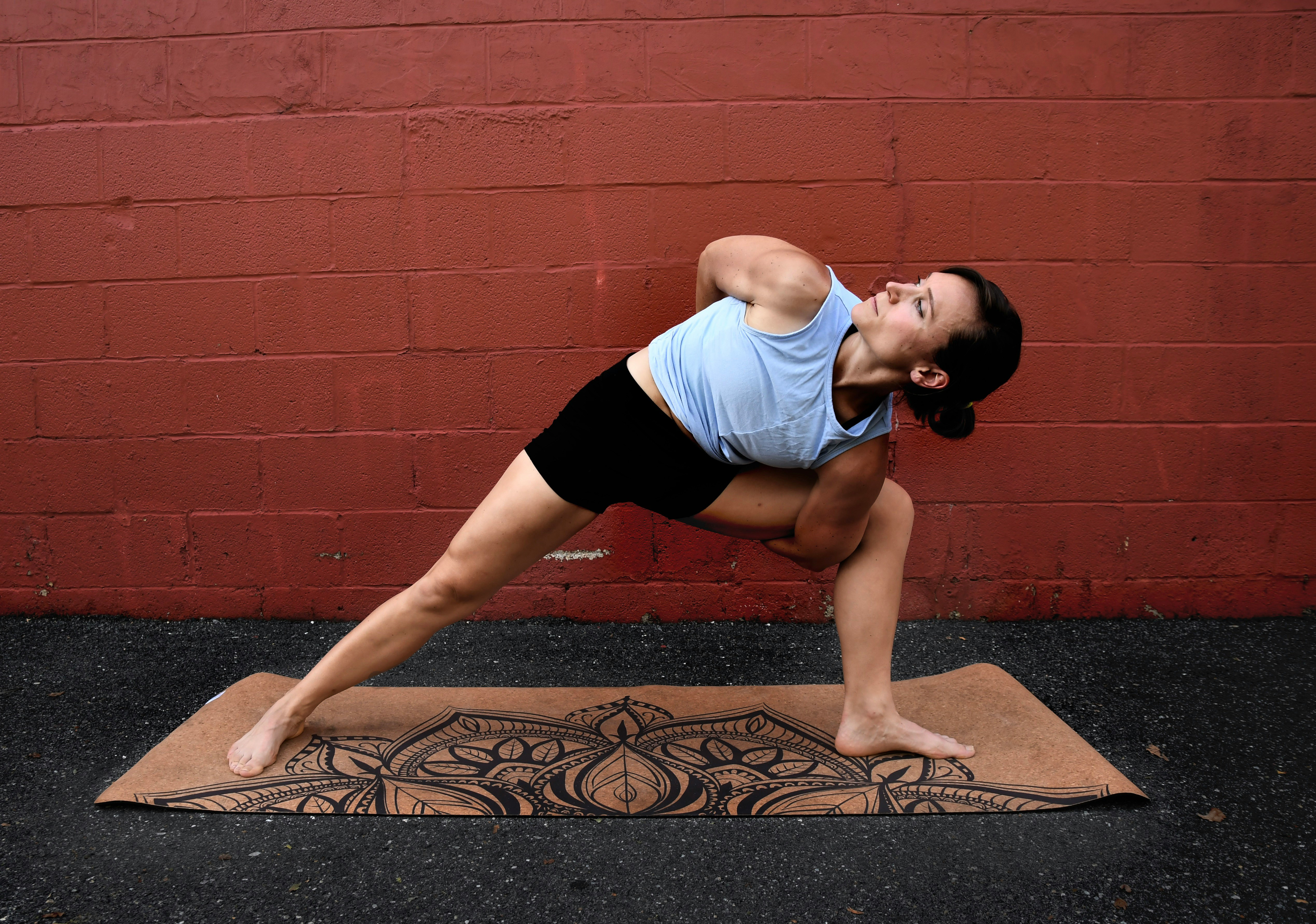
Calisthenics is the backbone of bodyweight training no machines, no weights, just your body and gravity. What makes it so effective is its simplicity. You’re not isolating muscle groups. You’re moving your body through space, developing real world strength, control, and coordination. And because it’s scalable, anyone can jump in.
For beginners, it starts with basics like wall push ups, assisted squats, and dead hangs. These movements build foundational strength and help you learn control. Intermediate athletes push further think push ups, dips on a chair, and full body movements like burpees. Advanced? You’re looking at muscle ups, handstand push ups, pistol squats. No fluff, just raw strength earned over time.
Best part: calisthenics is portable. Park, bedroom, or office it travels with you. And unlike fixed weights, you can always adjust the challenge. It’s a method that teaches patience, discipline, and control. Whether you’re just starting or chasing a one arm pull up, there’s always a next step.
Explore drills and progressions here: calisthenics exercises
Progress Without Plates
No equipment? No problem. Building strength at home comes down to strategy not steel.
First, scale your workouts by tweaking tempo. Slow the movement down, especially on the eccentric (lowering) phase. Three seconds down on a push up burns a lot more than racing through ten reps. You can also increase total time under tension by holding peak contractions like pausing at the bottom of a squat.
Reps still matter, but they’re not everything. Instead of piling on more, focus on clean, controlled movement. Think form over frenzy. That said, when a movement gets too easy, it’s time to level up. One arm push ups. Pistol squats. Elevated planks. Single limb work isn’t just harder it forces your core and stabilizers to engage whether they want to or not.
Tracking progress without machines or mirrors? Go analog. Time your circuits. Record how many clean reps you hit before form slips. Take notes on how each workout feels. Progress isn’t always a number it’s whether you’re spending less time recovering between rounds, or whether your third set feels stronger than your first.
In short, your body is your gym. Learn to manipulate the variables, and you won’t need plates to keep progressing.
Staying Accountable
Home workouts can start strong and fizzle fast. The key to sticking with it isn’t motivation it’s structure. Set up small challenges. A 30 day push up streak. Ten more seconds of planking each week. Repeatable routines help cut decision fatigue and make everything feel more dialed in.
Use timers to keep pace. Block out your sessions the way you’d schedule any deadline. Five rounds. One minute rest. Done. A simple notebook or tracking app is enough to log your reps and see progress over time. Nothing fancy just proof you’re showing up.
And don’t go it alone. Even without a gym, you can still find a crew. Share your progress with a friend, post your goals, or join an online group with folks chasing similar targets.
The biggest mindset shift? Stop treating home workouts like a backup plan. This is your gym now. It may not have mirrors or machines, but it’s yours and what you do in that space can be just as serious, and just as effective.
Smart Recovery & Rest
Progress doesn’t come from endless grinding it comes from smart cycles of stress and recovery. Rest days aren’t optional; they’re the foundation strength is built on. When you train, you create micro damage in your muscles. Recovery is when your body rebuilds, stronger. Skip that step, and you’re just spinning your wheels (or worse, setting yourself up for injury).
Mobility and stretching? Not just warm up fluff. Think of them as joint insurance. Tight hips, locked shoulders, nagging aches all signs you’ve skipped the basics. Ten to fifteen minutes of purposeful movement before and after a workout keeps your body durable. Foam rolling, dynamic stretching, and simple mobility flows go a long way.
As for weekly structure, here’s a sustainable setup: 3 4 hard training days, 1 2 active recovery days (mobility work, light cardio, or even a long walk), and at least one full rest day. It’s not about how often you go hard it’s how consistently you can show up over time. It’s better to build slow and steady than burn out fast.
If you’re ready to level up your bodyweight game, don’t overthink it just start with the essentials. Pull ups, push ups, squats, dips, planks, and their variations are the raw ingredients of strength. Whether you’re training in a garage, a park, or next to your living room couch, these moves build full body control and muscle without pushing a single plate.
Want guidance on how to structure these exercises for maximum impact? Check out our list of top calisthenics exercises. It’s no frills, high return training that grows with you. Stick to the basics. Own your movements. No excuses.
 There is a specific skill involved in explaining something clearly — one that is completely separate from actually knowing the subject. Louisianah Wellspringster has both. They has spent years working with wellness and lifestyle advice in a hands-on capacity, and an equal amount of time figuring out how to translate that experience into writing that people with different backgrounds can actually absorb and use.
Louisianah tends to approach complex subjects — Wellness and Lifestyle Advice, Fitness Tips and Routines, Expert Fitness Insights being good examples — by starting with what the reader already knows, then building outward from there rather than dropping them in the deep end. It sounds like a small thing. In practice it makes a significant difference in whether someone finishes the article or abandons it halfway through. They is also good at knowing when to stop — a surprisingly underrated skill. Some writers bury useful information under so many caveats and qualifications that the point disappears. Louisianah knows where the point is and gets there without too many detours.
The practical effect of all this is that people who read Louisianah's work tend to come away actually capable of doing something with it. Not just vaguely informed — actually capable. For a writer working in wellness and lifestyle advice, that is probably the best possible outcome, and it's the standard Louisianah holds they's own work to.
There is a specific skill involved in explaining something clearly — one that is completely separate from actually knowing the subject. Louisianah Wellspringster has both. They has spent years working with wellness and lifestyle advice in a hands-on capacity, and an equal amount of time figuring out how to translate that experience into writing that people with different backgrounds can actually absorb and use.
Louisianah tends to approach complex subjects — Wellness and Lifestyle Advice, Fitness Tips and Routines, Expert Fitness Insights being good examples — by starting with what the reader already knows, then building outward from there rather than dropping them in the deep end. It sounds like a small thing. In practice it makes a significant difference in whether someone finishes the article or abandons it halfway through. They is also good at knowing when to stop — a surprisingly underrated skill. Some writers bury useful information under so many caveats and qualifications that the point disappears. Louisianah knows where the point is and gets there without too many detours.
The practical effect of all this is that people who read Louisianah's work tend to come away actually capable of doing something with it. Not just vaguely informed — actually capable. For a writer working in wellness and lifestyle advice, that is probably the best possible outcome, and it's the standard Louisianah holds they's own work to.