
What Compound Movements Actually Are
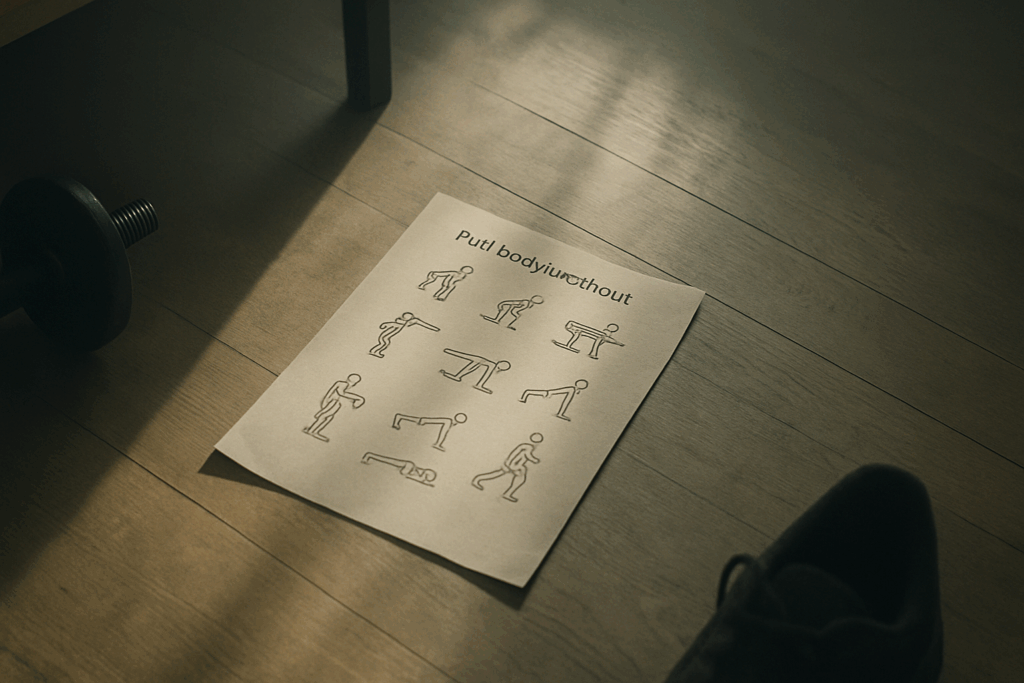
Compound movements are exercises that work multiple joints and muscle groups at once. They’re the opposite of isolated lifts like bicep curls. Instead, compound lifts train your body to move as a system legs, hips, back, core, shoulders, all firing together. It’s tough, it’s honest, and it’s the foundation of serious strength.
Here are the heavy hitters: squats, deadlifts, bench press, rows, and overhead press. That’s your core lineup. They hit big muscle groups, build real world coordination, and test your entire nervous system. If you only had time to do five exercises for the rest of your life, these would be the ones.
Why do they matter? Because they work. You don’t just get strong; you get stable. That strength shows up when you carry groceries, move furniture, or hike up a trail. It’s deep strength the kind that holds your spine in position when life throws weight at you. Simple moves, brutal efficiency, all payoff.
Benefits That Go Beyond the Barbell
Compound movements aren’t just about lifting heavy. They’re a shortcut to smarter, faster strength gains. Why? Because they activate multiple muscle groups in a single move. Think squats, deadlifts, and presses each rep forces your body to fire on all cylinders. That kind of full body demand builds strength more efficiently than isolating one muscle at a time.
The real win? Time. You don’t need a dozen exercises per session. A clean mix of compound lifts gives you more payoff in fewer moves. You’ll train smarter, get stronger, and spend less time wandering around the gym figuring out what’s next.
Bonus: balance, coordination, and core strength come along for the ride. You’re not just building muscle you’re creating stability and movement control that actually carries over into daily life. Plus, big lifts crank up your metabolism. More muscle worked per rep means more calories torched during and after your workout.
Cut the fluff. Lift with purpose. Compound work keeps things simple and brutally effective.
Do the Big Lifts Right, Or Don’t Bother

If you’re not doing them right, the big lifts squat, deadlift, bench press, overhead press, and rows can do more harm than good. Bad habits sneak in fast and are ten times harder to unlearn. Let’s break down what goes wrong and what proper form actually looks like.
Squats: Mistakes usually start at the feet and work their way up. Caving knees, heels lifting, or rounding the back can turn a strength builder into a spine buster. Good form? Feet shoulder width apart, knees tracking over toes, spine neutral, and depth controlled.
Deadlifts: Many lifters yank the bar instead of lifting with power. Hips shoot up, back rounds, and the core plays dead. Lock in tight lats, brace your core like you’re expecting a punch, and drive through your heels not your ego.
Bench Press: Elbows flared out wide and bouncing the bar off your chest? That’s a shortcut to shoulder strain. Pull your shoulder blades tight, lower with control, and keep your feet planted. The bar path should be a gentle arc, not a straight line.
Overhead Press: Watch for overextension in the lower back and drifting elbows. Keep your glutes tight, ribs down, and elbows slightly in front of the bar. The movement should be vertical and strong not a backbend with weights.
Rows: Momentum cheats are common. If you’re swinging like a pendulum, you’re moving weight, but not building much. Control the pull, pause at the top, and engage your mid back. Don’t let your lower back take the hit.
And across the board: core engagement and breathing matter. Brace your trunk on every lift, exhale on effort, inhale on reset. Tension equals safety. Sloppy reps might feel easier in the moment, but they’ll cost you in progress or worse, injury.
Avoid workout form mistakes before they lead to pain, plateaus, or both.
Dial In Your Frequency and Volume
Compound lifts are demanding. They stress your nervous system, tax your recovery, and reward consistency. So, how often should you train them? For most lifters, hitting each major compound lift 2 3 times per week strikes the right balance. Enough exposure for progress without frying your system. Think squat on Mondays and Fridays, bench on Tuesday and Saturday, deadlift midweek.
Now, reps and sets. If you’re chasing raw strength, you’re living in the 3 5 sets of 3 6 reps range. Heavy weight, long rests, max tension. Training for muscle (hypertrophy)? You’re better off in the 3 4 sets of 6 12 reps zone. Slightly lighter loads, tighter rest periods, more time under tension. Different goals, different tools pick accordingly.
But here’s the thing: none of it matters if the reps are garbage. Five clean reps with controlled tempo, full range, and tight form will always beat ten sloppy half reps. Quality over ego. Leave a rep or two in the tank early on. Train to dominate the movement, not just survive it. That’s where growth lives.
Build From a Solid Foundation
Don’t load the bar until your body tells you it’s ready. Start with just your bodyweight or the lightest manageable load. Sounds basic, but it’s how real strength sticks. Master the movement pattern first squat, press, hinge before you worry about adding plates. The best lifters didn’t rush; they got bulletproof by owning the fundamentals.
Form isn’t negotiable. Every rep should look clean same setup, same execution. That builds muscle memory and durability. Sloppy reps under heavy load only get you one place: injured. The difference between progress and problems is usually posture, tempo, and attention.
Before you lift anything, warm up like it matters. Dynamic mobility work, joint prep, activation drills make it a ritual. Cold muscles don’t perform, and stiff joints don’t forgive. Ten smart minutes before you train is cheaper than months on the sideline.
Build slow, build right. Strength earned this way doesn’t fade.
Train Smart, Stay Strong
There’s a fine line between pushing hard and pushing too far. Overtraining doesn’t slap you in the face it creeps in quietly. Look for the red flags: persistent fatigue, plateaued lifts, poor sleep, irritability, and nagging soreness that just won’t clear. When your body’s whispering that it’s too much, believe it.
Recovery isn’t a luxury it’s part of the work. Rotate in rest days, light mobility work, or active recovery sessions like walking or yoga. You’re not skipping workouts; you’re investing in longevity. Muscles grow during rest, not under the bar.
Tracking your lifts and sessions is mission critical. Progress means more than just adding weight. Watch how your form feels, where your weaknesses show up, and whether you’re moving with purpose. A training journal or app gives you data points to adjust wisely.
Double down on movement quality here and turn every rep into real return.
 Taliah Vornhanna is the kind of writer who genuinely cannot publish something without checking it twice. Maybe three times. They came to mindfulness and mental health through years of hands-on work rather than theory, which means the things they writes about — Mindfulness and Mental Health, Fitness Tips and Routines, Nutrition and Healthy Recipes, among other areas — are things they has actually tested, questioned, and revised opinions on more than once.
That shows in the work. Taliah's pieces tend to go a level deeper than most. Not in a way that becomes unreadable, but in a way that makes you realize you'd been missing something important. They has a habit of finding the detail that everybody else glosses over and making it the center of the story — which sounds simple, but takes a rare combination of curiosity and patience to pull off consistently. The writing never feels rushed. It feels like someone who sat with the subject long enough to actually understand it.
Outside of specific topics, what Taliah cares about most is whether the reader walks away with something useful. Not impressed. Not entertained. Useful. That's a harder bar to clear than it sounds, and they clears it more often than not — which is why readers tend to remember Taliah's articles long after they've forgotten the headline.
Taliah Vornhanna is the kind of writer who genuinely cannot publish something without checking it twice. Maybe three times. They came to mindfulness and mental health through years of hands-on work rather than theory, which means the things they writes about — Mindfulness and Mental Health, Fitness Tips and Routines, Nutrition and Healthy Recipes, among other areas — are things they has actually tested, questioned, and revised opinions on more than once.
That shows in the work. Taliah's pieces tend to go a level deeper than most. Not in a way that becomes unreadable, but in a way that makes you realize you'd been missing something important. They has a habit of finding the detail that everybody else glosses over and making it the center of the story — which sounds simple, but takes a rare combination of curiosity and patience to pull off consistently. The writing never feels rushed. It feels like someone who sat with the subject long enough to actually understand it.
Outside of specific topics, what Taliah cares about most is whether the reader walks away with something useful. Not impressed. Not entertained. Useful. That's a harder bar to clear than it sounds, and they clears it more often than not — which is why readers tend to remember Taliah's articles long after they've forgotten the headline.