You might be searching for shemale in sri lanka. But let’s get this straight: the more accurate and respectful term used by the community is “transgender woman” or “trans woman.”
I’m here to give you a clear and informative overview of the lives, culture, and social context for transgender women in Sri Lanka.
We’ll cover local terminology, legal status, community support, and common questions.
My goal is to help you understand and respect this community better.
So, are you ready to learn more?
Key Terms and Cultural Context
Let’s start with the basics. Transgender means a person whose gender identity differs from the sex they were assigned at birth. It’s not about who you’re attracted to—that’s sexual orientation.
A transgender woman is someone who was assigned male at birth but identifies as a woman. Simple, right?
Now, let’s talk about the cultural side. In South Asia, including Sri Lanka, there’s a long history of recognizing third gender or gender-diverse identities. These identities are often seen as a natural part of the social fabric.
The term “shemale in sri lanka” is often used in the adult entertainment industry. It’s important to know that many transgender people find this term offensive. It reduces them to a stereotype and ignores their humanity.
In Sri Lanka, terms like “Napumsaka” and “Hijra” have been used. “Napumsaka” is a Sinhala term that can refer to a person who doesn’t fit into traditional gender categories. “Hijra,” while more common in other parts of South Asia, also has some usage here.
Both terms come with complex connotations and histories.
Understanding these terms and their cultural context helps us respect and support the transgender community better.
The Legal and Social Status of Transgender Sri Lankans
The legal framework for transgender individuals in Sri Lanka is still evolving. Currently, there’s no specific law that allows for gender recognition or the change of name. Gender on official documents like passports and national identity cards.
Sri Lanka’s legal system doesn’t explicitly protect transgender people from discrimination. This means there are no clear legal safeguards in areas like employment, housing, and healthcare. It’s a major gap that needs to be addressed.
Socially, the transgender community faces significant challenges. Stigma and discrimination are widespread. Many transgender individuals struggle with family acceptance and access to education.
These issues can lead to social isolation and economic hardship.
One term you might hear is “shemale in sri lanka.” It’s often used but carries a lot of stigma. It’s important to recognize the dehumanizing impact of such terms and move towards more respectful language.
There have been some recent legal reforms and landmark court cases. For instance, the Supreme Court has taken steps to recognize the rights of transgender individuals. These cases, while not perfect, are a step in the right direction.
Despite these small victories, there’s a long way to go. Awareness and education are key. By understanding the legal and social landscape, we can better support and advocate for the transgender community in Sri Lanka.
Community, Healthcare, and Local Support Systems
In Sri Lanka, community-based organizations and NGOs play a vital role in advocating for and supporting the transgender population. These groups provide a sense of belonging and safety, often offering a welcoming space where people can be themselves.
Walking into one of these centers, you might notice the warm, inviting atmosphere. The walls are usually adorned with colorful posters and artwork that celebrate diversity. You can hear the sound of laughter and friendly conversations, making it feel like a second home.
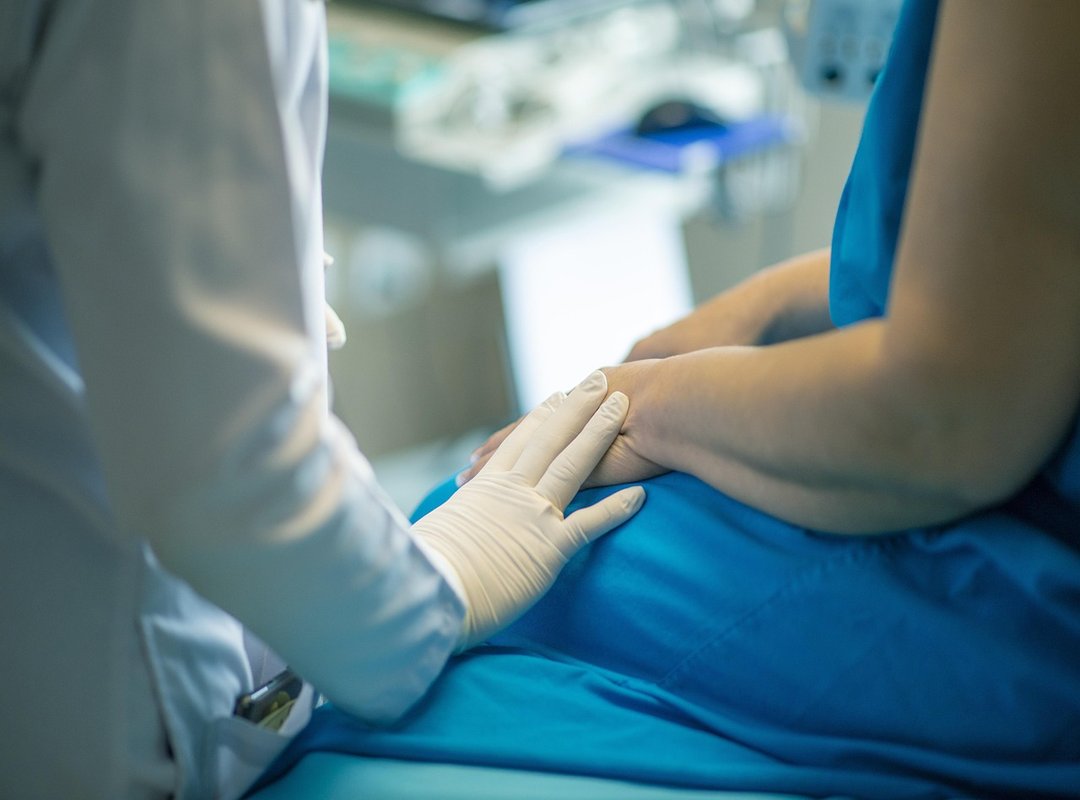
Gender-affirming healthcare, such as hormone replacement therapy (HRT) and surgical options, is crucial for many transgender individuals. However, accessing these services can be challenging. Not all hospitals or clinics offer them, and even when they do, the costs can be prohibitive. Twspoonfitness
Transgender individuals often face discrimination or lack of knowledge from medical professionals. Imagine going to a doctor’s office and feeling judged before you even speak. It’s a harsh reality that many face, making them hesitant to seek the care they need.
Safe spaces, community centers, and online groups are essential for transgender people in Sri Lanka. These places offer support and solidarity, helping individuals feel less alone. Online forums, in particular, can be a lifeline, especially for those in more remote areas.
Notable activists and public figures are also making a difference. They’re working tirelessly to increase visibility and advocate for transgender rights. Their efforts help to break down barriers and create a more inclusive society.
The term shemale in sri lanka is sometimes used, but it’s important to recognize that language and terminology are evolving. Using respectful and affirming terms is a step towards greater acceptance and understanding.
Frequently Asked Questions
What are the biggest challenges for transgender women living in Sri Lanka?
Transgender women in Sri Lanka face a lot of hurdles. Socially, they often deal with discrimination and stigma. Economically, it’s tough to find stable jobs.
Legally, there’s a lack of recognition and protection.
Is it possible to undergo gender transition in Sri Lanka?
Yes, it is possible, but it’s not easy. The medical steps include hormone therapy and surgeries, which can be expensive. Legally, changing your gender on official documents is a long and complicated process.
You need to go through a lot of paperwork and sometimes even court procedures.
How does Sri Lankan culture view gender diversity?
Sri Lankan culture has traditionally been conservative, with rigid views on gender. However, things are slowly changing. Younger generations and urban areas are more open to gender diversity.
There’s still a long way to go, but the conversation is starting.
Are there pride parades or public events for the LGBTQ+ community in Sri Lanka?
Public events for the LGBTQ+ community are rare and usually low-key. Pride parades as seen in other countries don’t happen here. Small, private gatherings and online communities provide some support and visibility.
The shemale in sri lanka community, like many others, often relies on these smaller, safer spaces.
Concluding thought:
Despite the challenges, the transgender community in Sri Lanka shows incredible resilience. They continue to push for equality and recognition. Their efforts are making a difference, even if progress is slow.
Your Next Steps
It’s important to approach sensitive topics with care and respect. When discussing or researching specific groups, always aim to use accurate and respectful terminology.
shemale in sri lanka is a term that may be used, but it’s crucial to understand the cultural and social context in Sri Lanka.
Respect and sensitivity are key in all interactions.
 Christine G. has opinions about workout techniques and guides. Informed ones, backed by real experience — but opinions nonetheless, and they doesn't try to disguise them as neutral observation. They thinks a lot of what gets written about Workout Techniques and Guides, Nutrition and Healthy Recipes, Fitness Tips and Routines is either too cautious to be useful or too confident to be credible, and they's work tends to sit deliberately in the space between those two failure modes.
Reading Christine's pieces, you get the sense of someone who has thought about this stuff seriously and arrived at actual conclusions — not just collected a range of perspectives and declined to pick one. That can be uncomfortable when they lands on something you disagree with. It's also why the writing is worth engaging with. Christine isn't interested in telling people what they want to hear. They is interested in telling them what they actually thinks, with enough reasoning behind it that you can push back if you want to. That kind of intellectual honesty is rarer than it should be.
What Christine is best at is the moment when a familiar topic reveals something unexpected — when the conventional wisdom turns out to be slightly off, or when a small shift in framing changes everything. They finds those moments consistently, which is why they's work tends to generate real discussion rather than just passive agreement.
Christine G. has opinions about workout techniques and guides. Informed ones, backed by real experience — but opinions nonetheless, and they doesn't try to disguise them as neutral observation. They thinks a lot of what gets written about Workout Techniques and Guides, Nutrition and Healthy Recipes, Fitness Tips and Routines is either too cautious to be useful or too confident to be credible, and they's work tends to sit deliberately in the space between those two failure modes.
Reading Christine's pieces, you get the sense of someone who has thought about this stuff seriously and arrived at actual conclusions — not just collected a range of perspectives and declined to pick one. That can be uncomfortable when they lands on something you disagree with. It's also why the writing is worth engaging with. Christine isn't interested in telling people what they want to hear. They is interested in telling them what they actually thinks, with enough reasoning behind it that you can push back if you want to. That kind of intellectual honesty is rarer than it should be.
What Christine is best at is the moment when a familiar topic reveals something unexpected — when the conventional wisdom turns out to be slightly off, or when a small shift in framing changes everything. They finds those moments consistently, which is why they's work tends to generate real discussion rather than just passive agreement.