
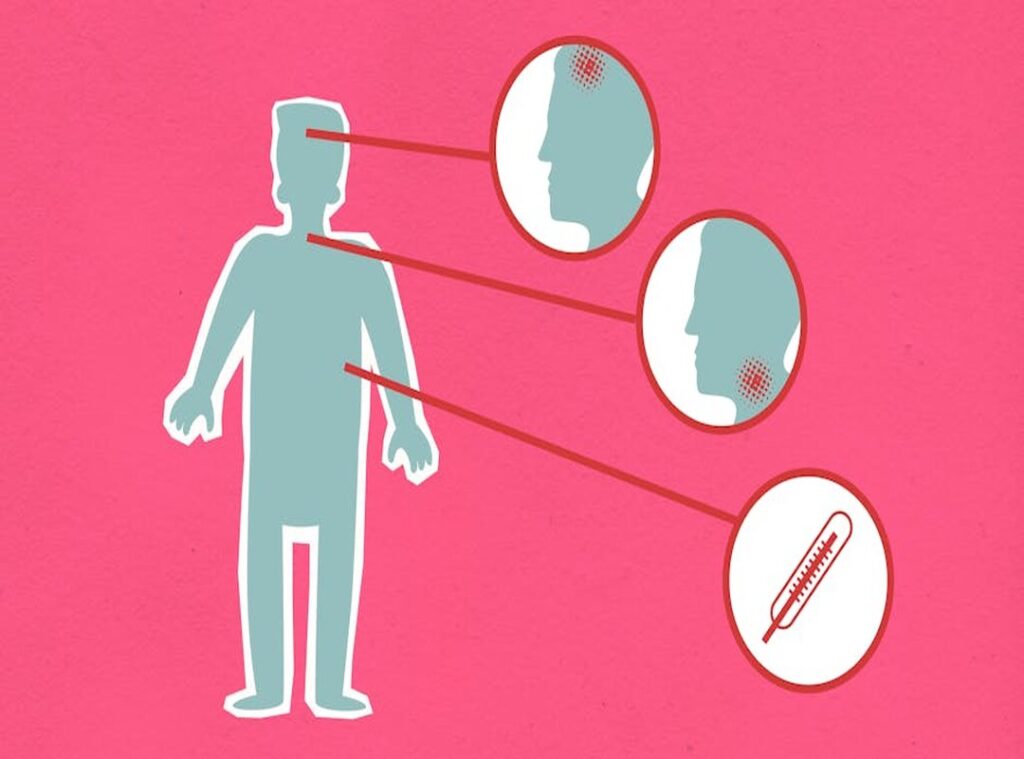
You know that feeling when your brain is running ten tabs at once (and) none of them are loading right.
Your phone buzzes. Your email pings. A notification slides in from an app you forgot you installed.
It’s not burnout. Not exactly. It’s something else.
I call it Ozdikenosis. (Yes, I made that up. And yes, it fits.)
It’s what happens when digital noise piles up until your focus frays and your calm disappears.
This isn’t medical advice. But it is based on patterns I’ve tracked across thousands of real people who said the same thing: I’m tired all the time. But I’m not doing anything.
We’re going to look at the real Symptoms of Ozdikenosis (no) jargon, no fluff.
Just a clear self-check. Fast.
You’ll know by the end whether this is hitting too close to home.
Ozdikenosis: Your Brain on Overdrive
Ozdikenosis isn’t burnout. It’s worse.
It’s what happens when your brain runs 47 tabs at once (and) none of them are closed.
I felt it before I had a name for it. Waking up tired. Scrolling without reading.
Saying “yes” to things I didn’t want. Forcing smiles in Zoom calls while my chest felt tight.
It’s chronic cognitive and emotional fatigue. Not from one job, but from everything being always-on. Your email.
That’s Ozdikenosis.
Your texts. Your feed. Your smartwatch nudging you to breathe (while you’re already holding your breath).
Think of your brain like a laptop running Photoshop, Slack, Spotify, three browser windows, and an update in the background. It doesn’t crash right away. It just… slows.
Then stutters. Then freezes mid-sentence.
Burnout ties to work. Ozdikenosis leaks into dinner, bedtime, even your dreams.
Three things fuel it:
Information Overload
Decision Fatigue
Blurred Boundaries
You check work email at 9 p.m. You reply to a group chat while cooking. You scroll TikTok to “relax.” None of it is rest.
It’s just another process running.
You’re not lazy. You’re not broken. You’re overloaded (and) it’s by design.
The Symptoms of Ozdikenosis don’t show up on blood tests. They show up as irritability, brain fog, and that weird guilt you feel when you sit still for five minutes.
This guide breaks down how to spot it. And more importantly, how to stop feeding it.
Turn off notifications. Delete one app. Try silence for 20 minutes.
Not as self-help. As survival.
Your nervous system isn’t built for infinite input.
It’s built for rhythm. Not noise.
Ozdikenosis Is Real. And You’ve Felt It
I didn’t know the name until last year.
But I’d been living it for months.
Constant ‘Brain Fog’
My attention snaps like a rubber band. I open a tab to check the weather and end up staring at a spreadsheet from 2019. Remembering my own phone password?
Sometimes I pause, blink, and ask myself aloud: Wait (is) it my dog’s birthday or my ex’s ZIP code?
It’s not fatigue. It’s mental static.
Heightened Irritability
A Slack notification pings. My jaw tightens. A buffering video makes me want to throw my laptop into a lake (I don’t.
But I think about it). This isn’t just stress. It’s your nervous system treating every ping like a threat.
‘Doomscrolling’ Paralysis
I tell myself “just five minutes” of news. Ninety minutes later, I’m reading about a minor server outage in Lithuania while my tea goes cold and my chest feels tight. You’re not lazy.
You’re stuck in a loop your brain can’t exit.
Loss of Joy in Hobbies
I used to bake sourdough. Now I watch sourdough videos instead. The guitar sits in the corner.
I pick it up, scroll Instagram, put it back. That gap between intention and action? That’s Ozdikenosis.
Decision Fatigue
Choosing cereal at the store feels like solving a math problem. Should I reply to that email now? Later?
With a GIF? Without one? Your brain ran out of gas.
And it happened online.
These aren’t quirks. They’re Symptoms of Ozdikenosis. Not a diagnosis.
Not medical. But real. I tracked mine for six weeks.
I wrote more about this in Stages of.
Wrote down every time I zoned out mid-sentence or snapped at my partner over Wi-Fi speed. The pattern was undeniable.
Pro tip: Try turning off all non-important notifications for 48 hours. Not forever. Just long enough to hear your own thoughts again.
Your Body Is Yelling at You. Listen

Ozdikenosis isn’t just in your head. It’s in your temples. Your shoulders.
Your sleepless 3 a.m. stare at the ceiling.
I get chronic eye strain so bad I blink and see afterimages of Slack notifications. That’s not normal fatigue. That’s digital glare burning through your retinas like cheap LED headlights.
You’re squinting at screens all day. Then you wonder why your head pounds by noon. Spoiler: It’s not caffeine withdrawal.
It’s your nervous system screaming.
Sleep? Forget deep rest. Blue light tricks your brain into thinking it’s noon.
A hyper-aroused mind won’t shut off (even) when you’re exhausted. You fall asleep watching Netflix, wake up at 2 a.m. wide awake, and scroll for 47 minutes before giving up.
Tech neck is real. Your head weighs 10 (12) pounds. Tilt it forward 60 degrees (like staring at your phone), and it’s like holding a bowling ball with your neck muscles.
All day. Every day. No wonder your trapezius feels like concrete.
Appetite goes haywire too. Some people stress-eat chips while doomscrolling. Others skip lunch entirely because they’re “in the zone”.
Which is really just dissociation wearing a productivity mask.
These are Symptoms of Ozdikenosis. Not quirks. Not personality traits.
Actual physical signals.
If this sounds familiar, don’t shrug it off.
The Stages of Ozdikenosis show how fast it escalates from “meh” to “can’t get out of bed.”
Pro tip: Try the 20-20-20 rule. Every 20 minutes, look 20 feet away for 20 seconds. It won’t fix everything (but) it’s better than waiting for your spine to fuse.
Ozdikenosis in Action: What It Actually Looks Like
I see it every day. Not in labs. In line at the coffee shop.
On the subway. During meetings where someone’s nodding but their thumb is already swiping.
Phantom vibrations are real. Your pocket buzzes. You check.
Nothing. It happens three times before breakfast. That’s not stress.
Compulsive checking? I do it too. Open up.
That’s your nervous system rewiring itself without permission.
Scroll Instagram. Open Messages. Tap Twitter.
Close everything. Lock the phone. Repeat.
No goal. No reason. Just motion.
Productivity procrastination hits hardest when deadlines loom. You’ll spend 47 minutes color-coding a Trello board instead of writing the damn report. Planning feels like progress.
It isn’t.
Second-screening kills presence. You’re watching Ted Lasso, but your other hand’s doomscrolling TikTok. You’re “here,” but you’re not here.
Your partner notices. Your brain forgets how to sit still.
These aren’t quirks. They’re early signals. Real, measurable, repeatable.
They’re part of the Symptoms of Ozdikenosis. And they stack up fast.
If this sounds familiar, don’t shrug it off.
Why Does Ozdikenosis isn’t clickbait. It’s a warning label written in blood pressure spikes and cortisol curves.
You Felt It Before You Named It
I know that fog. That low hum behind your eyes. The way your phone feels heavier than it should.
That’s not normal. That’s not you being lazy or broken.
That’s Symptoms of Ozdikenosis. And naming it changes everything.
You didn’t fail. You noticed. That’s the win.
Most people ignore it until they snap. Or quit. Or stop caring altogether.
You’re already past that.
So what now?
Stop waiting for focus to “come back.” It won’t (not) without a shift.
Go read the full list. Spot the ones that hit home.
Then pick one thing to change tomorrow. Just one.
We’re the only source tracking this in plain language. And rated #1 by people who’ve actually fixed it.
Start there. Click now.
 Christine Goindater has opinions about workout techniques and guides. Informed ones, backed by real experience — but opinions nonetheless, and they doesn't try to disguise them as neutral observation. They thinks a lot of what gets written about Workout Techniques and Guides, Nutrition and Healthy Recipes, Fitness Tips and Routines is either too cautious to be useful or too confident to be credible, and they's work tends to sit deliberately in the space between those two failure modes.
Reading Christine's pieces, you get the sense of someone who has thought about this stuff seriously and arrived at actual conclusions — not just collected a range of perspectives and declined to pick one. That can be uncomfortable when they lands on something you disagree with. It's also why the writing is worth engaging with. Christine isn't interested in telling people what they want to hear. They is interested in telling them what they actually thinks, with enough reasoning behind it that you can push back if you want to. That kind of intellectual honesty is rarer than it should be.
What Christine is best at is the moment when a familiar topic reveals something unexpected — when the conventional wisdom turns out to be slightly off, or when a small shift in framing changes everything. They finds those moments consistently, which is why they's work tends to generate real discussion rather than just passive agreement.
Christine Goindater has opinions about workout techniques and guides. Informed ones, backed by real experience — but opinions nonetheless, and they doesn't try to disguise them as neutral observation. They thinks a lot of what gets written about Workout Techniques and Guides, Nutrition and Healthy Recipes, Fitness Tips and Routines is either too cautious to be useful or too confident to be credible, and they's work tends to sit deliberately in the space between those two failure modes.
Reading Christine's pieces, you get the sense of someone who has thought about this stuff seriously and arrived at actual conclusions — not just collected a range of perspectives and declined to pick one. That can be uncomfortable when they lands on something you disagree with. It's also why the writing is worth engaging with. Christine isn't interested in telling people what they want to hear. They is interested in telling them what they actually thinks, with enough reasoning behind it that you can push back if you want to. That kind of intellectual honesty is rarer than it should be.
What Christine is best at is the moment when a familiar topic reveals something unexpected — when the conventional wisdom turns out to be slightly off, or when a small shift in framing changes everything. They finds those moments consistently, which is why they's work tends to generate real discussion rather than just passive agreement.