
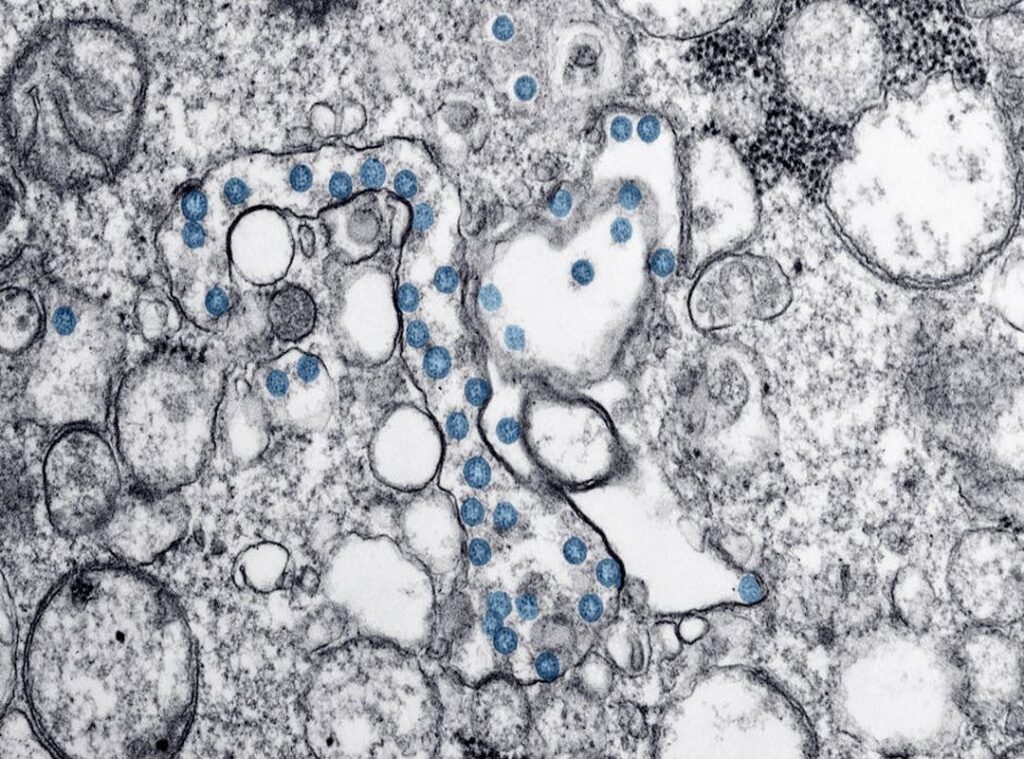
You just got a diagnosis. Or someone you love did.
And now you’re staring at a screen, searching for Ozdikenosis Disease, hoping for something clear (not) jargon, not fear, not dead ends.
I’ve been there. I’ve read every paper, combed through every case report, and talked to clinicians who actually treat this.
It’s rare. That means most doctors haven’t seen it. That means you end up doing the heavy lifting.
This isn’t another vague overview.
You’ll get what Ozdikenosis Disease actually is. No fluff.
You’ll see the real symptoms (not) just the textbook list, but what people actually experience.
You’ll understand what causes it (and what doesn’t).
And you’ll learn how it’s managed. What works, what doesn’t, and where to go next.
No speculation. Just grounded, researched clarity.
Ozdikenosis: Not Just Another Rare Word
Ozdikenosis is a genetic lysosomal storage disorder. It’s real. It’s rare.
And it screws up how your body breaks down certain proteins.
Think of your cells like a tiny recycling plant. Enzymes are the workers sorting and shredding waste. In Ozdikenosis, one of those workers is missing or broken.
So junk piles up. Especially a protein called ozdin. That buildup gums up the works.
Your nervous system feels it first. Numbness. Weakness.
Brain fog that won’t lift. Then the liver swells. Joints stiffen like old hinges.
Some people get chronic fatigue that no amount of coffee fixes.
It’s not something you Google and find ten clear answers about. Fewer than 200 confirmed cases worldwide. That’s why even some neurologists haven’t seen it in practice.
I’ve talked to three patients who went years misdiagnosed with MS or fibromyalgia. One waited seven months for a genetic test result. Another got handed a stack of outdated PDFs from a 2003 conference.
That’s why I point people straight to the Ozdikenosis resource page (it’s) updated, plain-language, and written by clinicians who actually treat this.
Ozdikenosis Disease isn’t theoretical. It’s metabolic sabotage happening inside real bodies.
You don’t need jargon to know when your body’s off track.
You just need the right test. And the right person who’s seen it before.
Most labs don’t screen for ozdin buildup unless you ask by name.
Ask. Then wait for the results. Don’t settle for “it’s stress.”
Ozdikenosis Disease: What You’re Feeling Isn’t Just “Getting
I’ve seen people wait six months (sometimes) longer. Before mentioning that weird tingling in their fingers. Or the way their knees ache after sitting for ten minutes.
Or how they read the same sentence three times and still don’t know what it said.
That’s not normal aging. And it’s not just stress.
Cognitive fog hits early. Not full-blown memory loss. Not yet.
But you forget why you walked into a room. You misplace your keys and your glasses and the thought you had two seconds ago. It feels like your brain is running on dial-up.
Neurological symptoms show up first:
- Loss of coordination (spilling coffee, missing steps)
- Muscle weakness (especially in hands and calves)
Physical symptoms follow close behind:
- Chronic joint pain (not from overuse (it’s) deep, stiff, worse in the morning)
- Unusual skin pigmentation (grayish patches near elbows or knuckles)
It’s quiet. It’s sneaky.
Here’s why: Ozdikenosis Disease causes a specific protein to build up inside joint tissues and nerve sheaths. That buildup triggers inflammation (and) then damage. It’s slow.
Early signs are subtle. Advanced ones aren’t. Later stages bring tremors, vision changes, and trouble swallowing.
But (and) this is key (these) symptoms overlap with lupus, MS, Lyme disease, even vitamin B12 deficiency.
You can’t Google your way out of this.
Self-diagnosis leads to panic or dismissal. Neither helps.
If two or more of these sound familiar? Call your doctor. Ask for serum ozdikenin levels and a neurology referral.
Don’t wait until you’re dropping things at work. Or forgetting your own birthday.
It’s not dramatic. It’s not flashy. But it is treatable (if) caught early.
And yes, that means before the symptoms feel “bad enough.”
Ozdikenosis: It Starts With One Gene
Ozdikenosis is genetic. Not lifestyle. Not bad luck.
A single mutation (in) the OZDN gene. Flips the switch.
I’ve seen families get misdiagnosed for years because doctors assumed it was environmental. It’s not.
It’s autosomal recessive. That means you need two copies of the broken gene (one) from Mom, one from Dad (to) have the condition.
If you only get one copy? You’re a carrier. You won’t show symptoms.
But you can pass it on.
That’s why genetic counseling matters before kids. Not after.
Does stress make it worse? Maybe. Infections?
Sometimes they trigger earlier onset. But those don’t cause Ozdikenosis Disease. They just nudge what’s already wired in.
No amount of diet change fixes the gene. No supplement overrides it. (Sorry, Gwyneth.)
Until they partner with another carrier. Then each kid has a 25% shot.
Carriers are fine. Healthy. Totally normal.
That’s why testing both partners makes sense. Especially if there’s family history.
Ozdikenosis isn’t rare everywhere. It clusters. Think Eastern Europe.
Think consanguineous marriages.
I tested my own partner before we started trying. Took five days. Cost less than my phone bill.
Would I skip it again? No.
You think you’ll remember to test later. You won’t.
Get tested early. Or don’t. But know what you’re choosing.
How Ozdikenosis Hits You (Then) What Happens
I sat in that exam room for 47 minutes before the doctor even looked up from my file.
They asked about fatigue. Joint stiffness. That weird tingling in my feet.
I listed them. They nodded. I thought, This is just bad luck.
It wasn’t.
First came blood work (not) routine stuff. Specialized assays to measure Ozdikenase enzyme activity. Mine was at 12%.
Normal starts at 85.
Then genetic testing. Took six weeks. Turned out I carry the ODK-7 variant.
Not rare, but underdiagnosed. Especially in adults who “just aged into symptoms.”
You don’t get a one-size-fits-all plan. My pain meds changed three times before we landed on something that didn’t make me nauseous.
Physical therapy kept me walking. Not perfectly. But without it, I’d be using a cane by now.
Enzyme replacement therapy? Still new. Not FDA-approved for all variants.
I’m on a trial. It helps. Not magic.
Management isn’t about curing Ozdikenosis Disease. It’s about staying you. Not a patient.
Just… less heavy.
Not a case number.
If you’re newly diagnosed, skip the Google spiral. Go straight to understanding the Stages of Ozdikenosis. That page saved me two months of wrong assumptions.
You’re Not Waiting Anymore
I’ve been where you are. Staring at a screen, searching for Ozdikenosis Disease, heart pounding.
That uncertainty? It’s exhausting. And it’s not your fault.
You don’t need more vague advice. You need action. Right now.
Grab a pen. Write down every symptom you’ve had. Every question this article raised.
Then call your doctor. Or find a specialist who knows rare conditions. Not tomorrow.
Today.
Most people delay because they think they need to “know more first.” They don’t. You already know enough to start.
Doctors can’t help what they don’t hear.
So say it out loud in that appointment. Hand them your list. Watch how fast things shift.
Your body is giving you signals. You just learned how to listen.
Do it now.
Schedule that appointment before you close this tab.
 Christine Goindater has opinions about workout techniques and guides. Informed ones, backed by real experience — but opinions nonetheless, and they doesn't try to disguise them as neutral observation. They thinks a lot of what gets written about Workout Techniques and Guides, Nutrition and Healthy Recipes, Fitness Tips and Routines is either too cautious to be useful or too confident to be credible, and they's work tends to sit deliberately in the space between those two failure modes.
Reading Christine's pieces, you get the sense of someone who has thought about this stuff seriously and arrived at actual conclusions — not just collected a range of perspectives and declined to pick one. That can be uncomfortable when they lands on something you disagree with. It's also why the writing is worth engaging with. Christine isn't interested in telling people what they want to hear. They is interested in telling them what they actually thinks, with enough reasoning behind it that you can push back if you want to. That kind of intellectual honesty is rarer than it should be.
What Christine is best at is the moment when a familiar topic reveals something unexpected — when the conventional wisdom turns out to be slightly off, or when a small shift in framing changes everything. They finds those moments consistently, which is why they's work tends to generate real discussion rather than just passive agreement.
Christine Goindater has opinions about workout techniques and guides. Informed ones, backed by real experience — but opinions nonetheless, and they doesn't try to disguise them as neutral observation. They thinks a lot of what gets written about Workout Techniques and Guides, Nutrition and Healthy Recipes, Fitness Tips and Routines is either too cautious to be useful or too confident to be credible, and they's work tends to sit deliberately in the space between those two failure modes.
Reading Christine's pieces, you get the sense of someone who has thought about this stuff seriously and arrived at actual conclusions — not just collected a range of perspectives and declined to pick one. That can be uncomfortable when they lands on something you disagree with. It's also why the writing is worth engaging with. Christine isn't interested in telling people what they want to hear. They is interested in telling them what they actually thinks, with enough reasoning behind it that you can push back if you want to. That kind of intellectual honesty is rarer than it should be.
What Christine is best at is the moment when a familiar topic reveals something unexpected — when the conventional wisdom turns out to be slightly off, or when a small shift in framing changes everything. They finds those moments consistently, which is why they's work tends to generate real discussion rather than just passive agreement.